

Blog / Service

Blog

All Service Local Chevrolet Model Features Chevrolet Electric Vehicles Chevrolet Silverado Restaurants Road Safety Vehicle Comparison Chevrolet SUVs Financing Used Cars 2022 Chevrolet Colorado Chevrolet Model Feature Chevrolet Trucks New Chevrolet 2022 Chevrolet Trax 2022 Chevy Equinox Chevrolet Bolt EUV Chevrolet Financing Chevrolet Suburban
Why Use Genuine GM Parts for Your Chevrolet Repairs

Why Use Genuine GM Parts for Your Chevrolet Repairs?

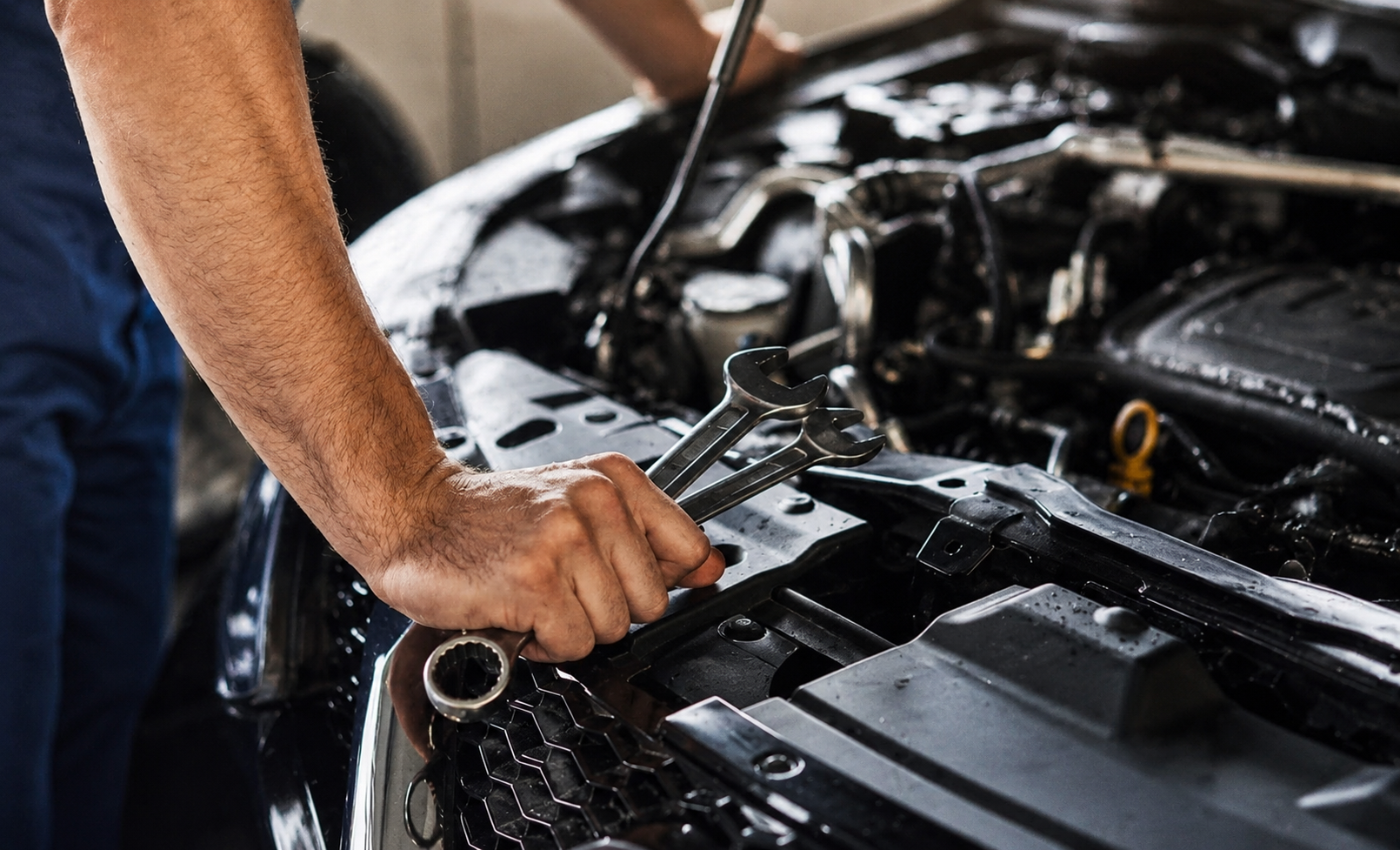
If you own a Chevrolet and need repairs or maintenance, choosing the correct parts is crucial. Should you buy genuine GM parts or save money by buying aftermarket alternatives? Unfortunately, cheaper components often cost more in the long run. Genuine GM parts may impact your wallet initially, but they're manufactured for your vehicle's make and model. They fit properly, last longer, and keep your Chevy performing at its best. Our experts at Eskridge Chevrolet in Guthrie, Oklahoma, explain why original equipment manufacturer (OEM) parts are the way to go. What Sets Genuine GM Parts Apart? The difference between GM parts and aftermarket parts is huge. We're talking about performance, how long they last, and whether your car malfunctions after the repair. Quality and Reliability You Can Count On GM parts undergo a series of rigorous quality-controlled tests to guarantee they meet the highest standards. They're manufactured using high-quality materials that meet or exceed original factory specifications, so you can trust they'll hold up to the challenges of everyday driving. Aftermarket parts might cost less upfront, but they often don't offer the same reliability or durability as genuine GM parts. That means you'll be replacing them more often, costing you more over time. Perfect Fit and Compatibility Guaranteed Nothing is more annoying than trying to fit a part that won't line up. Genuine GM OEM Chevrolet parts are the same as those fitted to vehicles in the factory. Aftermarket parts are manufactured to fit a number of different cars — they fit, but not perfectly, so they wear out faster and need replacing more often. Why risk it? Warranty Coverage When something goes wrong with your car, it's reassuring to know you're covered. Genuine GM components include warranty coverage, giving you peace of mind if the part itself fails. No Tech Headaches Modern Chevys are computers on wheels. From the engine and transmission to the electrical system and sensors, everything must work seamlessly for the best driving experience. That's why it's crucial to use genuine GM parts when repairing or maintaining your vehicle. Otherwise, you risk causing more damage. Our Parts Selection We stock genuine GM parts for almost everything on your Chevrolet, including the following maintenance and performance upgrades: Brake components: From pads to rotors, we've got everything needed to stop your car safely. Our brake parts meet safety standards. Engine parts: We've got you covered for pistons, filters, and gaskets specifically manufactured to fit your Chevy's engine. Electrical components: Alternators or sensors can be a pain to find if you're unsure of the fitting. Compatibility isn't an issue with the GM lineup — just plug them in and you're good to go. Suspension and steering: If you want your ride to handle like new, the right shocks, control arms, or steering parts will fix weird vibrations or poor ride quality. Performance upgrades: GM has you covered with approved upgrades for increased power, and they won't mess with your warranty. Interior components: Keep your car comfortable and functional with everything from replacement seats to upgraded sound systems and electronic accessories. Key Repairs: Where Genuine GM Parts Are Critical Some fixes call for genuine GM OEM components — your safety depends on it. Brakes Don't mess with your brakes. GM parts are strong enough to stop your Chevy consistently and just when you need them. Cheap brake parts might stop your car, but they won't feel right and may not be good enough when you're trying to avoid an accident. Engine Your engine has many moving parts with zero room for error. They endure extreme heat, intense pressure, and chemical exposure. Genuine GM engine parts are made from materials that can withstand these conditions, but we can't say the same for aftermarket parts. Electronics Your Chevrolet's computer controls engine timing, transmission shifts, safety features, and more. Genuine GM electronic parts are programmed specifically for your car's setup. Generic electronic parts might work initially, but they often cause strange problems later. For example, a single faulty sensor or switch can trigger warnings on multiple systems. Transmission There's significant wear and tear on transmission parts. If something fails, replacing it with a genuine GM part makes the rest of your transmission last longer. Get this wrong, and you're looking at a complete transmission rebuild. How To Get the Right Part for Your Chevy Finding the correct GM component consists of a few simple steps. Skip these, and you might end up with the wrong component. Here's how to nail it every time: Check your owner's manual: Your owner's manual has a list of essential maintenance items, complete with part numbers. This prevents ordering the wrong item. Find your vehicle identification number (VIN): That long string of numbers by your dashboard or door has all the info about your Chevy. With the VIN, you can easily match parts. Talk to our technicians: Our certified techs know Chevrolet systems inside and out. They'll steer you in the right direction if you're not sure, and they'll often spot related components that might need repair. Order Genuine GM Parts at Eskridge Chevrolet At Eskridge Chevrolet in Guthrie, we're here to help you keep your vehicle in great shape. Our team understands Chevrolets inside and out. Whether you're repairing something or customizing your daily ride, you'll get honest advice and genuine GM OEM auto parts that fit — no guesswork. If you want advice or need help with an installation, contact us online to chat or book a service appointment at our dealership.

How Often Should I Change My Brakes on a Chevy Truck

How Often Should I Change My Brakes on a Chevy Truck?

Taking care of the brakes is important for making sure any car is safe to drive. As brake issues aren't always immediately obvious, it's important to stay on top of your services. But how often should you change the brake pads on your truck? The answer is: it depends. The guidelines on when to change them depend on the model of Chevrolet you have, your driving habits, the type of environment you drive in, and the brake pad material itself. In this guide, our service team at Eskridge Chevrolet will explore what you need to know to keep your Chevy brakes running safely and reliably on the road. Understanding Brake Replacement Intervals for Your Chevy Truck Brake pads provide the friction that helps slow your truck down. Naturally, they wear down over time. Generally speaking, most Chevy trucks require a brake pad inspection every 10,000 to 20,000 miles. Some sources say you may be able to stretch this as far as 30,000 to 35,000 miles. Why is there such a big range in recommendations? The lifespan of your Chevy's brakes depends on different factors, such as: The way you drive: Braking sharply can wear your brakes out faster. They're more likely to last longer if you often drive on the highway, compared to stop-and-go traffic. Where you drive: Driving up and down hills in Oklahoma or on rough roads around Guthrie can speed up the wear and tear on your brake pads because they need to work harder than normal. Where you live: Guthrie has wet and rainy seasons, which can reduce braking efficiency. The moisture can also build up and cause rust and corrosion on brake rotors. The brakes themselves: Organic, semi-metallic, or ceramic brake pads may last longer than others. For example, ceramic brake pads usually last the longest, followed by semi-metallic and then organic. Chevy Recommendations by Model Year Most Chevy owners' manuals recommend inspecting and replacing your brake pads regularly. The exact guidelines depend on the model and its age. However, a good rule of thumb is to aim for a professional inspection every 12,000 miles or once a year. As some brake pads can last up to around 25,000 miles with gentle driving, checking them at roughly the halfway mark can help you catch any issues as soon as possible. Always check your specific Chevy owner's manual for advice based on your model and year. If you need advice, bring your Chevy to Eskridge Chevrolet for service. Mileage-Based Guidelines Here's what you can consider based on specific mileage intervals: Every 10,000 to 20,000 miles: Early signs may appear on your brake pads, depending on your usual driving habits. Around 25,000 to 30,000 miles: Brake pads are usually approaching the end of their useful life at this point. Up to 35,000 miles or more: With conservative driving, some brake pads can last well beyond the usual intervals, but regular checkups are recommended. 50,000 miles: It's likely time for a brake pad and rotor replacement, if they haven't been replaced already by this point. Keep in mind that the front brakes do most of the stopping work on your truck, so they tend to wear out faster than the rear brakes. Rear brakes may last 50% or more longer, but you should monitor both closely. Time-Based Considerations Even if you haven't hit a mileage milestone listed above, time still matters. Brake pads don't last forever. They can wear down naturally over the years due to exposure, corrosion, and general use. If you don't drive as often as the average person, you can probably get away with scheduling brake inspections once a year. Check them more often if you live in areas with bad weather or demanding driving conditions (e.g., driving through mountains, on rough roads, or towing trailers). You should also check your brake fluid and other brake system components. Key Warning Signs Your Chevy Truck Brakes Need Replacement Listening and looking for signs can prevent the dangers of your brakes suddenly failing. Here are some common signs that it may be time to replace them: Squealing noises when braking Grinding sounds Longer stopping distances than normal Vibrations through the brake pedal or steering wheel Brake pad thickness is wearing thin (less than a quarter-inch) Other Factors to Consider Your brake pads aren't the only components to check if you want to ensure your brake system is working properly. Check the brake fluids: As brake fluid is hygroscopic, it absorbs moisture over time. As Guthrie experiences a fair bit of rain, checking the fluids regularly keeps your braking system working properly. Maintain your brake rotors: Your brake pads and rotors work together. You should aim to replace your brake rotors every 50,000 to 70,000 miles. Learn about driving habits: It can be helpful to know how the way you drive can increase or reduce the wear and tear on your brakes. Drive the speed limit, keep a safe following distance, and avoid driving on dirt roads and salted roads where possible, as they can wear down your brake pads and rotors quicker than paved roads. So, How Often Should You Change Your Brakes on a Chevy Truck? There's no single answer. Most people start checking their brake pads every 10,000 miles, but it depends on their driving habits. Arranging regular inspections every 12,000 miles or once a year can help prevent unexpected issues. Always watch out for warning signs like noises, vibrations, and reduced responsiveness. Taking care of your brakes keeps everyone safer on the road. Visit Eskridge Chevrolet for a Brake Service It's best to visit your Chevy dealer or a certified technician for a checkup if you have any questions about your brakes. Our team at Eskridge Chevrolet can provide a professional inspection and guide you on when to replace your brake pads for peace of mind. Give us a call to schedule service today.

How Often Should I Rotate My Tires

How Often Should I Rotate My Tires?

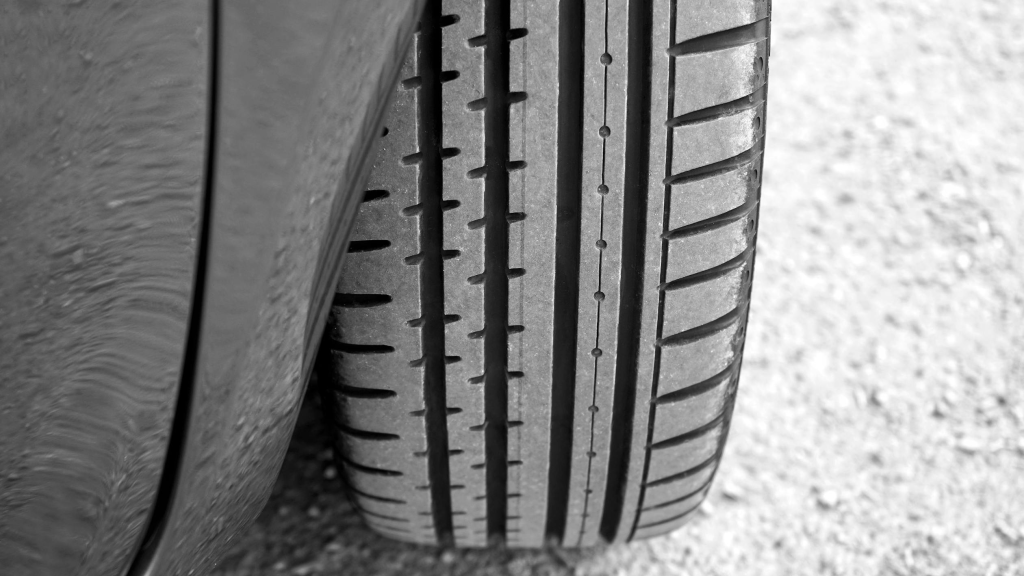
Rotating your car's tires is a basic part of your overall car maintenance. Your tires work as the foundation of your car, serving as the only point of contact between your car and the road. Maintaining the proper functioning of your tires ensures that you'll have a safe and smooth ride whenever you sit behind the wheel. Not only will regular tire rotations preserve the integrity of your tires, but they'll also extend your tires’ life span, saving you time and money in the long run. To maintain peak performance, be sure to schedule your tire rotations regularly. Benefits of Tire Rotations The importance of properly maintaining your car tires cannot be overstated. The safety, efficiency, and overall quality of your drive all rest upon your tires. Neglecting to take care of basic tire maintenance could negatively impact your day-to-day excursions, as well as your car's performance in the long run. Regularly rotating your tires has many benefits that make it a worthwhile task to schedule. Improved Traction and Safety Because your tires are the only part of your car that makes contact with the pavement, the overall quality of their condition is the only thing preventing your car from slipping and sliding when you need to stay stable. On most cars, the tread of your front tires will wear down more quickly than the rear tires. This means that when you need to navigate tight turns, your front tires are more at risk of losing traction more quickly, consequently affecting the safety of your drive. Along the same lines, your car's braking performance can be negatively affected by uneven tread wear. When you rotate your tires, you help to improve the handling of your car and maintain safe driving conditions. Longer Life of Your Tires With any luck, the life of your car will be far longer than the life of your tires. With time and routine driving, the tread on your tires will wear down. Eventually, the tread will wear down to a level that makes them unsafe for driving. When this happens, it's time to have them replaced, which unfortunately is not a cheap activity. By rotating your tires regularly, you'll help to distribute the tread wear on your tires more evenly over time, thus extending the number of miles you can drive before having them replaced. Smoother Ride If the tread on your tires wears unevenly, you'll soon start to feel the effects of this unevenness in the quality of your ride. Specifically, uneven tread wear will lead to a bumpy car ride, even when you're cruising over smooth surfaces. Similarly, the unevenness of tread wear can lead to unwanted vibrations while you're driving, which creates a noisy and unpleasant driving experience. Rotating your tires regularly will help to keep your drive smooth and peaceful. Better Fuel Efficiency While we already determined that rotating your tires can save you money by not having to replace your tires as often, you may not realize that tire rotations can also save you money at the gas pump. In addition to improving the handling of your car, tire rotations will also improve your car's fuel efficiency. Paying to have your tires rotated on a regular basis can save you money in the long run when it comes to your gas mileage. Tire Rotation Frequency How often you should get your car tires rotated largely depends on the drivetrain of your vehicle. Specifically, do you have front-wheel drive, rear-wheel drive, or all-wheel drive? The differences in functionality of these drivetrains result in different wear patterns on your tires and slightly different needs when it comes to tire rotation frequency. Keep in mind, however, that all tires need to maintain a tread depth of at least 2/32 of an inch. If you have a front-wheel-drive or rear-wheel-drive vehicle, you'll want to bring your car in to have your tires rotated every 5,000 to 7,500 miles. With front-wheel-drive vehicles, your front tires are responsible for both steering your car and delivering the power to the pavement, which results in increased wear on the front tires compared to the back tires. With rear-wheel-drive vehicles, the tasks of steering and delivering power are divided between the front and the back, which might lead you to believe they'd wear down more evenly. While the rate of wear might be similar in these vehicles, the tread wear pattern will vary greatly due to the different roles the front and rear tires play. If you have an all-wheel-drive or four-wheel-drive vehicle, you'll want to bring your car in to have the tires rotated more frequently. Specifically, these cars should be brought in every 3,000 to 5,000 miles. Uneven tread wear in these vehicles can actually lead to a strain on the drivetrain, potentially leading to larger issues down the road. While most of us here in the South Central part of the country have all-weather tires, it's important to note that regular tire rotations are critical for cars with summer or winter tires as well. Rotating your seasonal tires at the start of each designated season will ensure that your car will provide peak performance in rainy, snowy, or icy conditions. What Happens If I Don't Rotate My Tires? To put it simply, failing to rotate your tires puts your car's safety and performance at risk. Neglecting this simple task could result in the following: Hydroplaning on wet roads. Loss of traction on icy roads. Higher risk of punctures and blowouts. If you're in the Guthrie, Oklahoma, area and think your tires are ready for a rotation, don't hesitate to reach out to our service technicians to schedule your service today. Ensuring your tires are rotated on a regular basis will not only help to improve the quality of your drive, but it'll also save you money in the long run by improving your fuel efficiency and prolonging the life of your tires. Our service team is ready and waiting to make sure your car hits the road in the best possible shape. Image by Mike B is licensed with Pexels License

Which Fuel Grade Should I Use for My Chevrolet

Which Fuel Grade Should I Use for My Chevrolet?

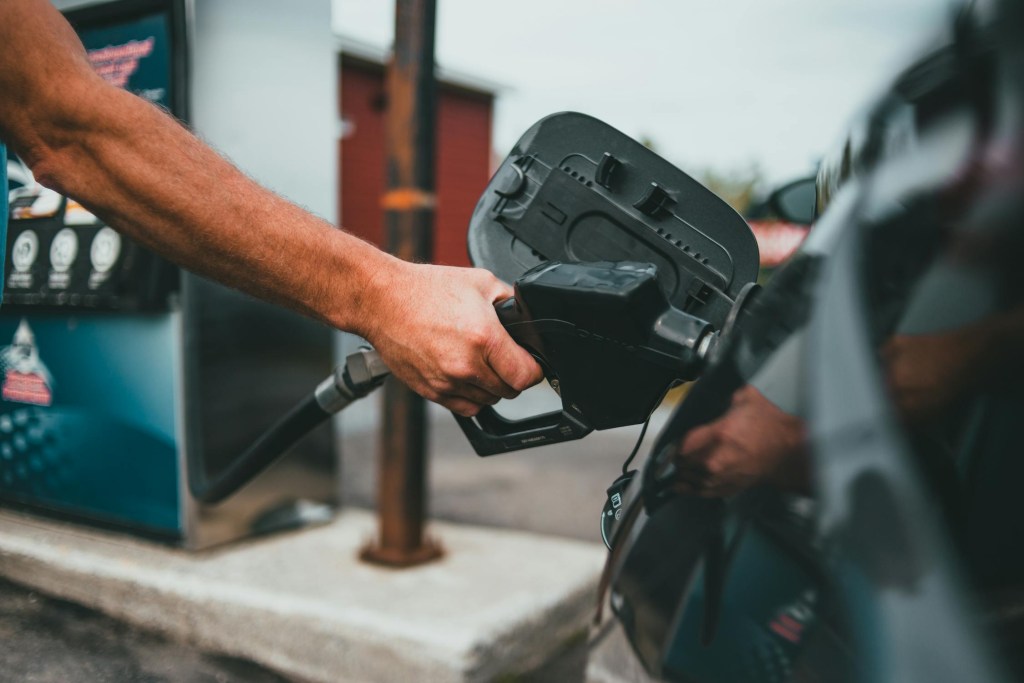
As you know, fuel is an essential component when driving your vehicle. If you have a traditional gas-powered engine, it's impossible for you to get to your destination without it. When you pull up to the gas pumps, you'll usually be greeted with two or three different fuel grades to choose from. While most of us opt for the gas labeled "regular," we might not know what that means or why other options exist. Some people are even tempted into choosing the gas labeled "premium" because they assume it is better for their car. With fuel prices continuing to rise, we all want to make sure that we are choosing the best fuel type for our vehicles. It might seem like gas labeled "premium" is better for our car, but in reality, not all cars will experience better performance with premium fuel. How Do Fuel Grades Differ? Fuels are graded based on their octane ratings, which is a measure of the fuel's stability. Gas-powered engines are combustion engines, meaning that the engines will ignite or fire at specific times. Your engine has pistons that are constantly moving up and down when the engine is running. As the pistons move, they work to compress a fuel-air mixture that is then ignited with a spark, a process known as combustion. Octane ratings indicate the pressure at which a fuel will spontaneously combust, something known as pre-ignition. If the fuel has a higher octane rating, that means it can withstand more pressure before spontaneously combusting. Since combustion engines are designed to fire at specific times, spontaneous combustion will cause your engine to make an unwanted knocking sound, indicating that something isn't quite right. Most regular gas has an octane rating of 87. Premium gas is rated higher, usually around 91 or 93. Most gas stations will also offer a mid-grade gas as well, rated somewhere between 87 and 93. Regular gas will be the cheapest option at the pump, while pricing for premium can be up to 50 cents more per gallon. Is Premium Gas Better? Whether or not premium gas is better for your vehicle largely depends on how your car's engine is calibrated. Simply put, some engines are calibrated to run on premium fuel, but most are not calibrated in a way that would notice an improvement with premium fuel. The vast majority of vehicles are produced to utilize regular fuel. Putting premium fuel in a vehicle that was not designed for premium most likely will not bring any noticeable improvement to your car's performance or fuel economy. Some cars, however, are produced with the intent of utilizing premium fuel. These cars are usually high-performance vehicles or vehicles with turbocharged engines. These cars are built with high-compression engines, meaning that if a lower octane fuel is used, then they are more likely to experience engine knocking than if premium fuel is used. Engine knocking is more than just an irritating noise — over time, the action behind the knocking can cause serious damage to your engine that will require costly repairs. In addition to a decreased chance of pre-ignition, premium gas helps some engines achieve their best fuel economy. If your car isn't designed for premium gas, you likely won't notice a difference in fuel economy if you switch from regular to premium. However, for engines designed for premium gas, your fuel economy will suffer if you decide to fuel up with regular. Does My Chevy Need Premium Fuel? Premium fuel is recommended or required for most high-performance vehicles or vehicles with turbocharged engines. In order to know if your car requires premium fuel, it's best to check your owner's manual. Your manual will indicate the octane rating recommended for your specific car model. If your owner's manual states that regular fuel is recommended, there is no need to fill up with premium. While you might be tempted to try premium fuel to see if you notice an improvement in your car's performance, keep in mind that not all engines are optimized to experience the benefits of higher-octane fuel. Vehicles that were designed to run on regular fuel simply will not benefit from premium fuel. Filling your tank with the more expensive option will be a waste of your hard-earned money. If your owner's manual states that your car requires an octane rating of 91 or higher, you definitely do not want to try to cut corners at the gas pump. Vehicles that require premium gas need it for optimal performance and to prevent severe damage to the engine. If you pull up to the gas station and find that they're out of premium and therefore you have no choice, it will probably be okay if you use regular in an emergency. However, regular fuel should not be used on a regular basis, or else serious damage could occur. Some car manuals these days say that premium fuel is recommended but not required. If this is the case for your car, then the choice is truly yours. Your car will still run just fine on regular fuel, but if you opt for premium, you'll notice improvements in your engine's performance and possibly its fuel economy. The majority of Chevrolet cars and trucks will run just fine on regular gas. However, if you have a Chevy with a powerful engine, such as a V-8 or turbocharged engine, it's more likely to require premium fuel. As always, consult your owner's manual for the final say in which type of fuel is best for your engine. If you're unsure about which fuel grade is best for your car, our service technicians here at Eskridge Chevrolet in Guthrie, Oklahoma, will be happy to help. We want drivers in the Guthrie area to feel confident when driving their cars, and that confidence starts with knowing you're putting the right fuel in your vehicle. Don't hesitate to reach out and contact us if you have any questions. Image by Erik Mclean is licensed with Pexels License

5 Signs Your Car Might Need a New Battery

5 Signs Your Car Might Need a New Battery

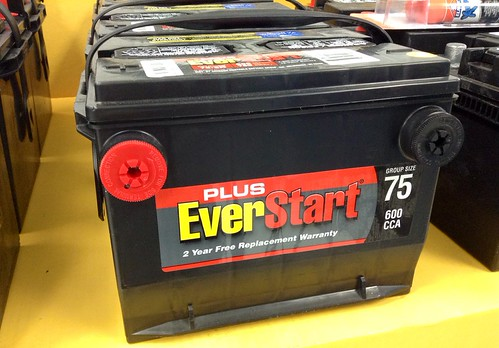
Do you suspect that your car may need a new battery? It's important to know the symptoms of a bad battery so you can replace it before it causes other problems with your car. Here are five signs that may indicate you need to replace your car battery, plus a description of the importance of having a good battery. A Strange Odor A strange or foul-smelling odor coming from your car may be a sign that you need to get a new battery. The smell that a bad battery produces is often similar to the smell of rotten eggs. If you catch a whiff of this scent, your car battery might be leaking gas. Car batteries hold sulfuric acid, so this substance can leak out in a process called outgassing if the battery has sustained damage. Sulfuric acid is a corrosive chemical that can potentially cause further damage. For example, sulfuric acid that’s leaking out of a damaged battery can corrode adjacent components. This kind of damage can result in the need for other repairs, which may be more costly than it would’ve been to simply replace the battery. Not only can the sulfuric acid leaking from your car battery damage other components in your vehicle, but it can also cause problems with your health. Breathing in the fumes that sulfuric acid emits in a confined environment, like a home garage, can result in chest tightness and difficulty breathing. Exposure to it can also cause skin and eye damage. Here at Eskridge Chevrolet, we want to protect our customers' health and vehicles. If you detect a strange odor coming from your vehicle, take it to our service center. We'll diagnose the problem and provide you with a new battery if that's the problem that's present. If something else is going on, we'll determine the source of the issue and address it so that you can drive off our lot with confidence. Poor Vehicle Performance in Cold Weather It's common for car batteries to perform better in warm weather than they do in cold weather. If it gets cold enough, your car battery may freeze, resulting in a decline in the rate of its chemical reactions. Your car battery also needs maximum current since the engine oil moves much slower in colder conditions. Your battery will demand more power to start your vehicle, resulting in diminished battery life. While some vehicles can make it through cold winters without any issues, it's important to keep an eye out for poor vehicle performance once the temperatures outside start to drop. If you notice that your vehicle is taking longer than normal to start, consider checking the battery and replacing it if it's starting to go bad. Newer batteries can withstand cold temperatures and icy conditions more efficiently than older ones, so you can drive your vehicle for the rest of the winter season with confidence. You may even consider replacing an older battery before the cold temperatures set in so that you can get ahead of any potential problems that may occur. Difficulty With Turning the Engine On It's possible for you to experience difficulty with turning the engine on, even in warmer conditions. Over time, the mechanisms within a car battery tend to wear out. Cold weather isn't always the culprit, as natural wear and tear are often to blame. According to the American Automobile Association, most car batteries last anywhere between three and five years. The life span of your battery often depends on several factors, including the type of battery you have and your driving habits and frequency. Even if you give your vehicle the most diligent care and maintenance, your car battery is destined to wear down. If you're noticing that your car is starting weakly or slowly, it's best to not ignore this sign of a dying battery. You can also look out for a clicking sound as you try to start your car engine, as this sound is likely an indicator that your battery has already died. Before your battery gets to this point, bring your vehicle to our service center so that you don't end up stranded with a nonfunctioning vehicle. Illuminated Dashboard Lights Watch for any illuminated lights on your dashboard, specifically the "check engine" light. This light may indicate that the battery has weakened, but it can also signal another problem that doesn't relate to the battery. You can take your vehicle to the service center at Eskridge Chevrolet, and one of our technicians will test the battery to see if it's working optimally. If the battery is the problem, we can replace it. If the battery is working fine, we can perform further inspection to narrow down the source of the problem. Electrical Malfunctions Electrical malfunctions within your vehicle can be telltale signs of a weak car battery. For example, you may notice that your door locks or power windows aren't as responsive as they usually are. It may take several clicks of a button to get the doors to lock or the windows to move up or down. If you ever charge your phone or another device while you're in your vehicle, a weak car battery could cause your devices to charge less efficiently. A bad battery might also be evident in exterior headlights that don't shine as brightly as they normally do or interior lights that flicker when the car is just starting or in an idling position. Issues with your exterior lights can be especially problematic, as they can affect your visibility on the road. The Importance of Having a Functioning Battery The car battery is the element that allows your vehicle to start, and the alternator is the component within your vehicle that maintains the battery. The battery supplies an electric current to the vehicle's electric-powered starting motor. This motor initiates an internal combustion engine that operates on chemical power. Having a functioning battery is essential to ensuring that your vehicle can start reliably. It also supplies power to operate components like the lights and windshield wipers, and it serves as a surge protector for the vehicle's computers. Now that you know what signs of a weak battery to watch for, you can be a more confident vehicle owner. If you're ever unsure about any other aspects of maintaining your Chevrolet vehicle, be sure to contact our team at Eskridge Chevrolet. We have a comprehensive maintenance center staffed with certified technicians. We'll inspect your vehicle, diagnose any issues, and provide effective solutions to meet your needs. Walmart EverStart Car Batteries, Battery by Mike Mozart is licensed with CC BY 2.0

What Fluids Your Car Needs & When To Change Them

If you don't have an affinity for the mechanical aspects of your car, you may not be aware of all the fluids required for it to operate properly. Read on to review some of the most common fluids your car needs and learn when to change them so you can stay on top of your vehicle's maintenance. Windshield Wiper Fluid Windshield wiper fluid helps you see the road ahead of you. You may experience obscured vision because of mud and dirt streaks without it. You'll know when your vehicle is low on windshield wiper fluid if it comes out in a weak stream when you attempt to spray it or releases nothing at all. If you suspect that your windshield wiper fluid is getting low, you can check it yourself. Open your vehicle's hood and locate a transparent container — it typically contains blue liquid. It should have a label that reads something like "Windshield" or "Washer." You should be able to screw off the cap to this container easily. If the container is less than a quarter full, you should refill it to avoid running out of windshield wiper fluid at an inconvenient time. Pour a bottle of windshield wiper fluid into the container's opening. Consider choosing an anti-grime wiper fluid to prevent unwanted buildup on your windshield. Continue pouring until the container is full. Several factors determine how often you need to change your windshield wiper fluid. For example, if you drive on back roads with muddy conditions, you may need to refill this fluid more frequently. It's a good idea to check the level every two months to ensure you always have enough windshield wiper fluid. Engine Oil Engine oil is arguably one of the most important fluids for your vehicle. It lubricates all the moving parts so your engine can operate efficiently. Allowing your engine oil level to drop below what is safe can result in your engine needing costly repairs. Before you dive headfirst into changing your engine oil, check the oil level to confirm it requires replenishment. First, turn your car on and drive it for a few minutes. This process will let the engine oil warm up, giving you a more accurate measurement. Then, turn your car off, open the hood, and locate the dipstick and oil cap. If you're unsure of where these components are, you can find them by consulting the owner's manual of your vehicle. Wipe the dipstick with a clean rag and insert it into the oil tank. Remove the dipstick and observe the oil level. Find the notch on the dipstick that indicates a safe oil level. If the level is below this notch, you should replenish your oil or get an oil change. Getting your oil changed regularly is an important aspect of maintaining your vehicle. You should get an oil change every six months if your car uses conventional oil or every year if it uses synthetic oil. You may consider changing your oil even if it's at a safe level because engine oil can collect byproducts that may negatively impact your engine's performance. While you can change the oil yourself, you may not have the time, patience, or equipment for the job. Instead, bring your vehicle to Eskridge Chevrolet's service center here in Guthrie, Oklahoma. Our certified service experts can complete any maintenance services your vehicle needs, including oil changes. Brake Fluid Brake fluid helps your brake system's hydraulics work properly. A sufficient brake fluid level ensures that you can make stops safely and avoid dangerous situations on the road. You can find the brake fluid reservoir near the back of your vehicle's engine compartment. It's common to replenish or change this fluid once every two years. If your car is in need of a tune-up in this area, click here to see what Eskridge Chevrolet can do to help! Power Steering Fluid Power steering fluid keeps your vehicle's power steering system lubricated. Having sufficient fluid levels enables you to steer smoothly and turn your vehicle. An insufficient power steering fluid level may make your vehicle difficult to operate, as it can cause your steering wheel to shift and vibrate. To locate the reservoir for power steering fluid in your vehicle, open the hood and look for a cap labeled "Steering." It's typically on the passenger side and transparent. You can check the fluid level visually and use a dipstick for further confirmation. If it's low, pour in high-quality power steering fluid. Experts typically recommend that you change your power steering fluid every two years or 50,000 miles. You may need to change it sooner if you notice your steering wheel shifting or vibrating. A/C Refrigerant A/C refrigerant allows the air in your car to remain cool. If you notice that your vehicle's A/C system is pumping air but isn't cold, you may need to top off your refrigerant levels. In most cases, you'll need to replenish this fluid every one to two years. Checking the A/C refrigerant level in your vehicle and replenishing it can be an arduous task to do yourself because of the equipment you need, like a Freon charging kit and an A/C gauge. Taking your vehicle to a certified dealership that offers maintenance services is best. Our team at Eskridge Chevrolet can easily handle this task for you, so don't hesitate to reach out to us today to schedule an appointment. Radiator Fluid Radiator fluid is important for regulating the temperature of your engine. It draws heat from the engine and distributes it throughout the radiator and into the outside air. A sufficient radiator fluid level prevents your vehicle from overheating and wards off engine damage. Most vehicle owners should replenish the radiator fluid every 30,000 miles or two years, whichever comes first. As a current or aspiring Chevy owner, it's important to have a reputable dealership on your side. Contact our team at Eskridge Chevrolet to experience our friendly and helpful customer service. We'll walk you through our inventory, add you to our maintenance schedule, discuss financing options for a new vehicle, and assist you with any of your other Chevy-related needs.

Best Tow Truck Services in Oklahoma City

Best Tow Truck Services in Oklahoma City

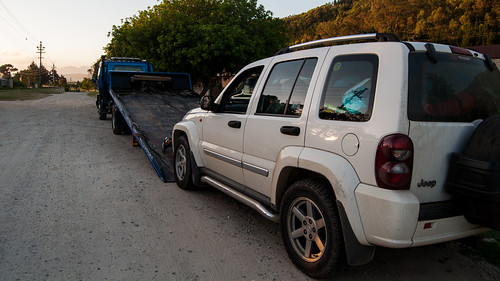
If your car ever breaks down on an Oklahoma City highway, there are many reputable companies you can call for a tow. While we hope you never need a tow, it's a good idea for you to be prepared and know how to handle this situation if it arises. Review this guide to learn more about towing services, costs, and some of the local tow truck companies you can call for help in the Oklahoma City area. Common Reasons You Might Need a Tow There are various reasons you may need to call a towing company to move your vehicle. Some of the typical reasons people may need a vehicle tow may include: Car accident: If you're involved in an accidental collision with another vehicle, building, or structure, you may be unable to drive your car from the scene. Damage to your vehicle, such as flat tires, fluid leaks, or loose parts, may require you to have it towed. Vehicle won't start: One of the most common reasons to call a tow truck company is a vehicle breakdown due to issues with the battery, transmission, or engine. You may also need towing services if your car overheats or if you run out of gas. Flat tire: You can get a flat tire for reasons like sharp objects in the roadway or standard wear and tear. If you don't have a spare tire, call a tow truck company for help. How Much Will You Pay for a Tow? The cost of towing a car can vary depending on several factors, including tow distance, your vehicle type, or the time your call comes through to the towing company. According to J.D. Power consumer research company, the national average cost of a tow is $109. Most towing companies will charge a base fee to hook up your vehicle and then a fee for every mile traveled. According to J.D. Power, these per-mile fees typically range from $2.50 to $5, and charges may be higher after an accident, during weekends, evenings, or holidays. Before you ask a driver for a vehicle tow, make sure you ask how much it will cost. In non-emergency situations, you can contact several nearby towing companies to compare costs. It's also possible that your insurance policy may cover towing expenses, so check with your insurance company if your policy includes roadside assistance. Available Tow Services Most towing companies offer additional services, depending on your vehicle and situation. Some of these include: Flatbed towing: With this service, a driver uses a flatbed tow truck and a winch to drag your vehicle onto the truck's bed before securing it with chains. You may require this service if you've been involved in an accident. This is one of the most common towing services available. Light- or medium-duty towing: A towing company provides this assistance if your car breaks down, the battery goes dead, or you run out of gas. This service typically covers motorcycles or small cars, and commercial vehicles. Wheel lift towing: This towing service uses a wheel lift tow truck to lift the front or rear wheels of the vehicle off the ground and tow it to a repair shop. Companies may use this tow service to move smaller cars or two-wheel-drive vehicles. Heavy-duty towing: This towing service uses larger vehicles, known as wreckers or rotators, to move heavy vehicles. Wreckers or rotators can handle large trucks, tractor-trailers, or heavy equipment. Four Local Tow Truck Services in Oklahoma City If you find yourself in need of a tow in Oklahoma City, here are some local tow truck companies you can call: Silver Towing Providing 24-hour towing and roadside assistance, Silver Towing can help with any automotive issues you may be experiencing on the road. The company uses a network of independent tow truck operators to provide towing services across Oklahoma City. Fully licensed and bonded, Silver Towing offers a variety of services that include local and long-distance towing, battery jump-start, recovery, fuel delivery, and emergency roadside service. They also provide locksmith services if you lock yourself out of your vehicle. Ultimate Reflections Towing Ultimate Reflections Towing serves Oklahoma City and surrounding communities with 24-hour towing services. It employs licensed tow operators certified by the Towing and Recovery Association of America. Ultimate Reflections Towing promises fast and accurate arrival times in Oklahoma City, and drivers will take your vehicle to your home or the nearest repair shop. Other services include fuel delivery, battery jump-start, roadside assistance, and flat tire service. Oklahoma Towing and Recovery If you require towing or light rescue services, call Oklahoma Towing and Recovery. Certified towing specialists provide wheel lift towing services 24 hours a day. The company also offers parking garage towing, which can be helpful if your car stops working inside a parking garage, airport, or courthouse. Oklahoma Towing and Recovery publishes its rates on its website so you can estimate the cost of a tow before you call. It also provides winch-outs, battery jump-starts, tire changes, and unlock services. Bad Day Towing Company The experts at Bad Day Towing Company know you'd prefer not to call for a tow, but they'll be there for you when you need them. Since 2002, the company has provided towing and unwanted vehicle removal services in Oklahoma City with 24/7 accident response times. It offers complete towing services that include light-, medium- and heavy-duty towing, recovery service, winching services, and a tow and storage facility. Bad Day also provides roadside assistance for tire changes and battery jump-starts. Now that you know more about towing services, costs, and local towing companies in Oklahoma City, you know who to call if you ever need a tow. At Eskridge Chevrolet, we can keep your vehicle running smoothly with routine maintenance to reduce your risk of a roadside breakdown. If you're ever involved in an accident, our certified service experts can inspect your vehicle and perform any repairs needed to get you back on the road as quickly as possible. You can make an appointment with our service center today or contact us for more information.

5 Maintenance Tips to Get Your Kid’s Car College Ready

5 Maintenance Tips to Get Your Kid's Car College Ready

When your kid goes to college, you want to make sure they have everything they need to succeed. That includes a vehicle that's ready for the drive, and to get them through the semester without problems. Before your child returns to campus, take your car in for some routine maintenance to make sure that all issues are addressed before they go. You can stop by our Eskridge Chevrolet Dealership in Oklahoma City for any service needs. Here's a checklist of items to check before your kid's car is ready to head to school. Check Their Tires Before sending the car off to college, check the tire pressure in each of the tires. If the tire pressure is low, it can affect the handling of the car, which can be dangerous for the driver. To properly check the tire pressure, you can refer to the owner's manual about how much air each tire requires. You may need a tire gauge to get an accurate reading. If it's low, you may also need a pump for your tire to reinflate it. While you are checking your tires, make sure you also check the tread. The tread is the texture on the surface of the tire that creates friction between your wheel and the road. Tread is essential to driving safely and making sure your car doesn't slide on the street, especially in rainy or snowy weather. It can impact how quickly you brake and how steady turns are. If your tires don't have enough tread, you may need to get new tires. Additionally, while you're checking all four tires on your car, you may also want to make sure your car is equipped with a spare tire. A spare nail on the road or an, unfortunately, impact with a curb can pop a tire and create a dangerous situation for a driver. Driving on a flat tire can also impact the structure of your vehicle, so you want to make sure your kid has all the tools they need to change to a spare. Go one step further and perform the same tests on the spare that you perform on the four in-use tires. Make sure it's appropriately inflated and that it has the tread it needs. That way, you can trust that even if your child needs to change a tire, they are still taken care of. Change the Oil Check to see if it's time to change the oil. Your child's vehicle should have a schedule for how often their oil needs to be changed that you can follow. You can take the vehicle to the dealership, and they can let you know if the car is running low on fluid or change the oil if needed. Changing the oil is an essential aspect of car maintenance, so it may be better to get it out of the way before your child takes theirs to college. That way, you don't have to worry about it needing any maintenance during the semester. Changing the oil according to a schedule can be a simple way to extend the life of the vehicle. Not changing the oil often enough can cause various problems with the engine and even cause breakdowns. Update Windshield Wipers Another quick and easy way to make sure the car is ready for its new life at college is to update the windshield wipers. Windshield wipers can warp with age and lose their ability to keep the windshield clear during inclement weather. A dirty or rainy windshield can decrease the driver's ability to see, making it more dangerous to drive. Changing the windshield wipers ensures your child has the best chance of seeing through a crazy storm. You can purchase windshield wipers at auto stores, and may be able to change them yourself. However, if you have any concerns about the mechanics of the windshield wiper frame, you may need to take it to the dealership to have the parts looked at. You can also have them refill the windshield fluid while you're there. This fluid helps melt ice and clean off dirty windshields. Get an Emergency Kit If you want your child to be safe and feel confident on the road, you may purchase an emergency kit for them to keep in their car at all times. These can include essential tools in case of a breakdown, including wheel wrenches and tripod jacks in case they need to change a tire. They also include jumper cables, high-visibility signage, and a fire extinguisher. Your child can use jumper cables to restart a dead battery. High-visibility signs are a great way to get attention from someone who can help or warn off other drivers from getting too close to the car where people may be standing or working. Along with purchasing the kit, make sure that you also walk your child through items in the kit, so they feel confident using it if their car breaks down. They may be safer if they know how to change a tire, rather than waiting for someone else to come help. Have a conversation about what can go wrong as a driver and what tools you need to fix it. Wash the Car Once you've prepared the car and your child for their trip to college, the last thing to do is give the car a wash. Removing any dirt from the car sends it off to college with a fresh start, and can instill a sense of pride in your child. Be sure to clean the outside and the interior of the car, as dirt can get stuck under mats and in hard-to-reach places. Cleaning out the car before your child leaves ensures they are taking it to college in the best possible condition. If you have any questions about the safety or capabilities of your vehicle, be sure to bring it into Eskridge Chevrolet, where we can take a look at it and ensure it's in good condition for college. You can contact us or stop by to make an appointment, and we would be happy to change your windshields, oil, and tires to make sure your child has everything they need to start the year off right.

Contact Us

Fill out this form below and we'll contact you shortly
*Required Fields