

Blog / Service

5 Signs Your Car Might Need a New Battery

5 Signs Your Car Might Need a New Battery

Do you suspect that your car may need a new battery? It's important to know the symptoms of a bad battery so you can replace it before it causes other problems with your car. Here are five signs that may indicate you need to replace your car battery, plus a description of the importance of having a good battery.

A Strange Odor

A strange or foul-smelling odor coming from your car may be a sign that you need to get a new battery. The smell that a bad battery produces is often similar to the smell of rotten eggs. If you catch a whiff of this scent, your car battery might be leaking gas. Car batteries hold sulfuric acid, so this substance can leak out in a process called outgassing if the battery has sustained damage.

Sulfuric acid is a corrosive chemical that can potentially cause further damage. For example, sulfuric acid that’s leaking out of a damaged battery can corrode adjacent components. This kind of damage can result in the need for other repairs, which may be more costly than it would’ve been to simply replace the battery.

Not only can the sulfuric acid leaking from your car battery damage other components in your vehicle, but it can also cause problems with your health. Breathing in the fumes that sulfuric acid emits in a confined environment, like a home garage, can result in chest tightness and difficulty breathing. Exposure to it can also cause skin and eye damage.

Here at Eskridge Chevrolet, we want to protect our customers' health and vehicles. If you detect a strange odor coming from your vehicle, take it to our service center. We'll diagnose the problem and provide you with a new battery if that's the problem that's present. If something else is going on, we'll determine the source of the issue and address it so that you can drive off our lot with confidence.

Poor Vehicle Performance in Cold Weather

It's common for car batteries to perform better in warm weather than they do in cold weather. If it gets cold enough, your car battery may freeze, resulting in a decline in the rate of its chemical reactions. Your car battery also needs maximum current since the engine oil moves much slower in colder conditions. Your battery will demand more power to start your vehicle, resulting in diminished battery life.

While some vehicles can make it through cold winters without any issues, it's important to keep an eye out for poor vehicle performance once the temperatures outside start to drop. If you notice that your vehicle is taking longer than normal to start, consider checking the battery and replacing it if it's starting to go bad.

Newer batteries can withstand cold temperatures and icy conditions more efficiently than older ones, so you can drive your vehicle for the rest of the winter season with confidence. You may even consider replacing an older battery before the cold temperatures set in so that you can get ahead of any potential problems that may occur.

Difficulty With Turning the Engine On

It's possible for you to experience difficulty with turning the engine on, even in warmer conditions. Over time, the mechanisms within a car battery tend to wear out. Cold weather isn't always the culprit, as natural wear and tear are often to blame. According to the American Automobile Association, most car batteries last anywhere between three and five years. The life span of your battery often depends on several factors, including the type of battery you have and your driving habits and frequency.

Even if you give your vehicle the most diligent care and maintenance, your car battery is destined to wear down. If you're noticing that your car is starting weakly or slowly, it's best to not ignore this sign of a dying battery. You can also look out for a clicking sound as you try to start your car engine, as this sound is likely an indicator that your battery has already died. Before your battery gets to this point, bring your vehicle to our service center so that you don't end up stranded with a nonfunctioning vehicle.

Illuminated Dashboard Lights

Watch for any illuminated lights on your dashboard, specifically the "check engine" light. This light may indicate that the battery has weakened, but it can also signal another problem that doesn't relate to the battery. You can take your vehicle to the service center at Eskridge Chevrolet, and one of our technicians will test the battery to see if it's working optimally. If the battery is the problem, we can replace it. If the battery is working fine, we can perform further inspection to narrow down the source of the problem.

Electrical Malfunctions

Electrical malfunctions within your vehicle can be telltale signs of a weak car battery. For example, you may notice that your door locks or power windows aren't as responsive as they usually are. It may take several clicks of a button to get the doors to lock or the windows to move up or down.

If you ever charge your phone or another device while you're in your vehicle, a weak car battery could cause your devices to charge less efficiently. A bad battery might also be evident in exterior headlights that don't shine as brightly as they normally do or interior lights that flicker when the car is just starting or in an idling position. Issues with your exterior lights can be especially problematic, as they can affect your visibility on the road.

The Importance of Having a Functioning Battery

The car battery is the element that allows your vehicle to start, and the alternator is the component within your vehicle that maintains the battery. The battery supplies an electric current to the vehicle's electric-powered starting motor. This motor initiates an internal combustion engine that operates on chemical power. Having a functioning battery is essential to ensuring that your vehicle can start reliably. It also supplies power to operate components like the lights and windshield wipers, and it serves as a surge protector for the vehicle's computers.

Now that you know what signs of a weak battery to watch for, you can be a more confident vehicle owner. If you're ever unsure about any other aspects of maintaining your Chevrolet vehicle, be sure to contact our team at Eskridge Chevrolet. We have a comprehensive maintenance center staffed with certified technicians. We'll inspect your vehicle, diagnose any issues, and provide effective solutions to meet your needs.

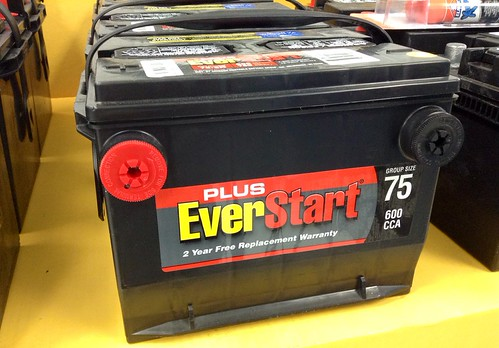
Walmart EverStart Car Batteries, Battery by Mike Mozart is licensed with CC BY 2.0
Posted in:

Related Posts

Why Use Genuine GM Parts for Your Chevrolet Repairs

Why Use Genuine GM Parts for Your Chevrolet Repairs?

If you own a Chevrolet and need repairs or maintenance, choosing the correct parts is crucial. Should you buy genuine GM parts or save money by buying aftermarket alternatives? Unfortunately, cheaper components often cost more in the long run. Genuine GM parts may impact your wallet initially, but they're manufactured for your vehicle's make and model. They fit properly, last longer, and keep your Chevy performing at its best. Our experts at Eskridge Chevrolet in Guthrie, Oklahoma, explain why original equipment manufacturer (OEM) parts are the way to go. What Sets Genuine GM Parts Apart? The difference between GM parts and aftermarket parts is huge. We're talking about performance, how long they last, and whether your car malfunctions after the repair. Quality and Reliability You Can Count On GM parts undergo a series of rigorous quality-controlled tests to guarantee they meet the highest standards. They're manufactured using high-quality materials that meet or exceed original factory specifications, so you can trust they'll hold up to the challenges of everyday driving. Aftermarket parts might cost less upfront, but they often don't offer the same reliability or durability as genuine GM parts. That means you'll be replacing them more often, costing you more over time. Perfect Fit and Compatibility Guaranteed Nothing is more annoying than trying to fit a part that won't line up. Genuine GM OEM Chevrolet parts are the same as those fitted to vehicles in the factory. Aftermarket parts are manufactured to fit a number of different cars — they fit, but not perfectly, so they wear out faster and need replacing more often. Why risk it? Warranty Coverage When something goes wrong with your car, it's reassuring to know you're covered. Genuine GM components include warranty coverage, giving you peace of mind if the part itself fails. No Tech Headaches Modern Chevys are computers on wheels. From the engine and transmission to the electrical system and sensors, everything must work seamlessly for the best driving experience. That's why it's crucial to use genuine GM parts when repairing or maintaining your vehicle. Otherwise, you risk causing more damage. Our Parts Selection We stock genuine GM parts for almost everything on your Chevrolet, including the following maintenance and performance upgrades: Brake components: From pads to rotors, we've got everything needed to stop your car safely. Our brake parts meet safety standards. Engine parts: We've got you covered for pistons, filters, and gaskets specifically manufactured to fit your Chevy's engine. Electrical components: Alternators or sensors can be a pain to find if you're unsure of the fitting. Compatibility isn't an issue with the GM lineup — just plug them in and you're good to go. Suspension and steering: If you want your ride to handle like new, the right shocks, control arms, or steering parts will fix weird vibrations or poor ride quality. Performance upgrades: GM has you covered with approved upgrades for increased power, and they won't mess with your warranty. Interior components: Keep your car comfortable and functional with everything from replacement seats to upgraded sound systems and electronic accessories. Key Repairs: Where Genuine GM Parts Are Critical Some fixes call for genuine GM OEM components — your safety depends on it. Brakes Don't mess with your brakes. GM parts are strong enough to stop your Chevy consistently and just when you need them. Cheap brake parts might stop your car, but they won't feel right and may not be good enough when you're trying to avoid an accident. Engine Your engine has many moving parts with zero room for error. They endure extreme heat, intense pressure, and chemical exposure. Genuine GM engine parts are made from materials that can withstand these conditions, but we can't say the same for aftermarket parts. Electronics Your Chevrolet's computer controls engine timing, transmission shifts, safety features, and more. Genuine GM electronic parts are programmed specifically for your car's setup. Generic electronic parts might work initially, but they often cause strange problems later. For example, a single faulty sensor or switch can trigger warnings on multiple systems. Transmission There's significant wear and tear on transmission parts. If something fails, replacing it with a genuine GM part makes the rest of your transmission last longer. Get this wrong, and you're looking at a complete transmission rebuild. How To Get the Right Part for Your Chevy Finding the correct GM component consists of a few simple steps. Skip these, and you might end up with the wrong component. Here's how to nail it every time: Check your owner's manual: Your owner's manual has a list of essential maintenance items, complete with part numbers. This prevents ordering the wrong item. Find your vehicle identification number (VIN): That long string of numbers by your dashboard or door has all the info about your Chevy. With the VIN, you can easily match parts. Talk to our technicians: Our certified techs know Chevrolet systems inside and out. They'll steer you in the right direction if you're not sure, and they'll often spot related components that might need repair. Order Genuine GM Parts at Eskridge Chevrolet At Eskridge Chevrolet in Guthrie, we're here to help you keep your vehicle in great shape. Our team understands Chevrolets inside and out. Whether you're repairing something or customizing your daily ride, you'll get honest advice and genuine GM OEM auto parts that fit — no guesswork. If you want advice or need help with an installation, contact us online to chat or book a service appointment at our dealership.

How Often Should I Change My Brakes on a Chevy Truck

How Often Should I Change My Brakes on a Chevy Truck?

Taking care of the brakes is important for making sure any car is safe to drive. As brake issues aren't always immediately obvious, it's important to stay on top of your services. But how often should you change the brake pads on your truck? The answer is: it depends. The guidelines on when to change them depend on the model of Chevrolet you have, your driving habits, the type of environment you drive in, and the brake pad material itself. In this guide, our service team at Eskridge Chevrolet will explore what you need to know to keep your Chevy brakes running safely and reliably on the road. Understanding Brake Replacement Intervals for Your Chevy Truck Brake pads provide the friction that helps slow your truck down. Naturally, they wear down over time. Generally speaking, most Chevy trucks require a brake pad inspection every 10,000 to 20,000 miles. Some sources say you may be able to stretch this as far as 30,000 to 35,000 miles. Why is there such a big range in recommendations? The lifespan of your Chevy's brakes depends on different factors, such as: The way you drive: Braking sharply can wear your brakes out faster. They're more likely to last longer if you often drive on the highway, compared to stop-and-go traffic. Where you drive: Driving up and down hills in Oklahoma or on rough roads around Guthrie can speed up the wear and tear on your brake pads because they need to work harder than normal. Where you live: Guthrie has wet and rainy seasons, which can reduce braking efficiency. The moisture can also build up and cause rust and corrosion on brake rotors. The brakes themselves: Organic, semi-metallic, or ceramic brake pads may last longer than others. For example, ceramic brake pads usually last the longest, followed by semi-metallic and then organic. Chevy Recommendations by Model Year Most Chevy owners' manuals recommend inspecting and replacing your brake pads regularly. The exact guidelines depend on the model and its age. However, a good rule of thumb is to aim for a professional inspection every 12,000 miles or once a year. As some brake pads can last up to around 25,000 miles with gentle driving, checking them at roughly the halfway mark can help you catch any issues as soon as possible. Always check your specific Chevy owner's manual for advice based on your model and year. If you need advice, bring your Chevy to Eskridge Chevrolet for service. Mileage-Based Guidelines Here's what you can consider based on specific mileage intervals: Every 10,000 to 20,000 miles: Early signs may appear on your brake pads, depending on your usual driving habits. Around 25,000 to 30,000 miles: Brake pads are usually approaching the end of their useful life at this point. Up to 35,000 miles or more: With conservative driving, some brake pads can last well beyond the usual intervals, but regular checkups are recommended. 50,000 miles: It's likely time for a brake pad and rotor replacement, if they haven't been replaced already by this point. Keep in mind that the front brakes do most of the stopping work on your truck, so they tend to wear out faster than the rear brakes. Rear brakes may last 50% or more longer, but you should monitor both closely. Time-Based Considerations Even if you haven't hit a mileage milestone listed above, time still matters. Brake pads don't last forever. They can wear down naturally over the years due to exposure, corrosion, and general use. If you don't drive as often as the average person, you can probably get away with scheduling brake inspections once a year. Check them more often if you live in areas with bad weather or demanding driving conditions (e.g., driving through mountains, on rough roads, or towing trailers). You should also check your brake fluid and other brake system components. Key Warning Signs Your Chevy Truck Brakes Need Replacement Listening and looking for signs can prevent the dangers of your brakes suddenly failing. Here are some common signs that it may be time to replace them: Squealing noises when braking Grinding sounds Longer stopping distances than normal Vibrations through the brake pedal or steering wheel Brake pad thickness is wearing thin (less than a quarter-inch) Other Factors to Consider Your brake pads aren't the only components to check if you want to ensure your brake system is working properly. Check the brake fluids: As brake fluid is hygroscopic, it absorbs moisture over time. As Guthrie experiences a fair bit of rain, checking the fluids regularly keeps your braking system working properly. Maintain your brake rotors: Your brake pads and rotors work together. You should aim to replace your brake rotors every 50,000 to 70,000 miles. Learn about driving habits: It can be helpful to know how the way you drive can increase or reduce the wear and tear on your brakes. Drive the speed limit, keep a safe following distance, and avoid driving on dirt roads and salted roads where possible, as they can wear down your brake pads and rotors quicker than paved roads. So, How Often Should You Change Your Brakes on a Chevy Truck? There's no single answer. Most people start checking their brake pads every 10,000 miles, but it depends on their driving habits. Arranging regular inspections every 12,000 miles or once a year can help prevent unexpected issues. Always watch out for warning signs like noises, vibrations, and reduced responsiveness. Taking care of your brakes keeps everyone safer on the road. Visit Eskridge Chevrolet for a Brake Service It's best to visit your Chevy dealer or a certified technician for a checkup if you have any questions about your brakes. Our team at Eskridge Chevrolet can provide a professional inspection and guide you on when to replace your brake pads for peace of mind. Give us a call to schedule service today.

How Often Should I Rotate My Tires

How Often Should I Rotate My Tires?

Rotating your car's tires is a basic part of your overall car maintenance. Your tires work as the foundation of your car, serving as the only point of contact between your car and the road. Maintaining the proper functioning of your tires ensures that you'll have a safe and smooth ride whenever you sit behind the wheel. Not only will regular tire rotations preserve the integrity of your tires, but they'll also extend your tires’ life span, saving you time and money in the long run. To maintain peak performance, be sure to schedule your tire rotations regularly. Benefits of Tire Rotations The importance of properly maintaining your car tires cannot be overstated. The safety, efficiency, and overall quality of your drive all rest upon your tires. Neglecting to take care of basic tire maintenance could negatively impact your day-to-day excursions, as well as your car's performance in the long run. Regularly rotating your tires has many benefits that make it a worthwhile task to schedule. Improved Traction and Safety Because your tires are the only part of your car that makes contact with the pavement, the overall quality of their condition is the only thing preventing your car from slipping and sliding when you need to stay stable. On most cars, the tread of your front tires will wear down more quickly than the rear tires. This means that when you need to navigate tight turns, your front tires are more at risk of losing traction more quickly, consequently affecting the safety of your drive. Along the same lines, your car's braking performance can be negatively affected by uneven tread wear. When you rotate your tires, you help to improve the handling of your car and maintain safe driving conditions. Longer Life of Your Tires With any luck, the life of your car will be far longer than the life of your tires. With time and routine driving, the tread on your tires will wear down. Eventually, the tread will wear down to a level that makes them unsafe for driving. When this happens, it's time to have them replaced, which unfortunately is not a cheap activity. By rotating your tires regularly, you'll help to distribute the tread wear on your tires more evenly over time, thus extending the number of miles you can drive before having them replaced. Smoother Ride If the tread on your tires wears unevenly, you'll soon start to feel the effects of this unevenness in the quality of your ride. Specifically, uneven tread wear will lead to a bumpy car ride, even when you're cruising over smooth surfaces. Similarly, the unevenness of tread wear can lead to unwanted vibrations while you're driving, which creates a noisy and unpleasant driving experience. Rotating your tires regularly will help to keep your drive smooth and peaceful. Better Fuel Efficiency While we already determined that rotating your tires can save you money by not having to replace your tires as often, you may not realize that tire rotations can also save you money at the gas pump. In addition to improving the handling of your car, tire rotations will also improve your car's fuel efficiency. Paying to have your tires rotated on a regular basis can save you money in the long run when it comes to your gas mileage. Tire Rotation Frequency How often you should get your car tires rotated largely depends on the drivetrain of your vehicle. Specifically, do you have front-wheel drive, rear-wheel drive, or all-wheel drive? The differences in functionality of these drivetrains result in different wear patterns on your tires and slightly different needs when it comes to tire rotation frequency. Keep in mind, however, that all tires need to maintain a tread depth of at least 2/32 of an inch. If you have a front-wheel-drive or rear-wheel-drive vehicle, you'll want to bring your car in to have your tires rotated every 5,000 to 7,500 miles. With front-wheel-drive vehicles, your front tires are responsible for both steering your car and delivering the power to the pavement, which results in increased wear on the front tires compared to the back tires. With rear-wheel-drive vehicles, the tasks of steering and delivering power are divided between the front and the back, which might lead you to believe they'd wear down more evenly. While the rate of wear might be similar in these vehicles, the tread wear pattern will vary greatly due to the different roles the front and rear tires play. If you have an all-wheel-drive or four-wheel-drive vehicle, you'll want to bring your car in to have the tires rotated more frequently. Specifically, these cars should be brought in every 3,000 to 5,000 miles. Uneven tread wear in these vehicles can actually lead to a strain on the drivetrain, potentially leading to larger issues down the road. While most of us here in the South Central part of the country have all-weather tires, it's important to note that regular tire rotations are critical for cars with summer or winter tires as well. Rotating your seasonal tires at the start of each designated season will ensure that your car will provide peak performance in rainy, snowy, or icy conditions. What Happens If I Don't Rotate My Tires? To put it simply, failing to rotate your tires puts your car's safety and performance at risk. Neglecting this simple task could result in the following: Hydroplaning on wet roads. Loss of traction on icy roads. Higher risk of punctures and blowouts. If you're in the Guthrie, Oklahoma, area and think your tires are ready for a rotation, don't hesitate to reach out to our service technicians to schedule your service today. Ensuring your tires are rotated on a regular basis will not only help to improve the quality of your drive, but it'll also save you money in the long run by improving your fuel efficiency and prolonging the life of your tires. Our service team is ready and waiting to make sure your car hits the road in the best possible shape. Image by Mike B is licensed with Pexels License