

Blog / Service

Seasonal Maintenance Checklist for Your Chevrolet: Year-Round Care Tips

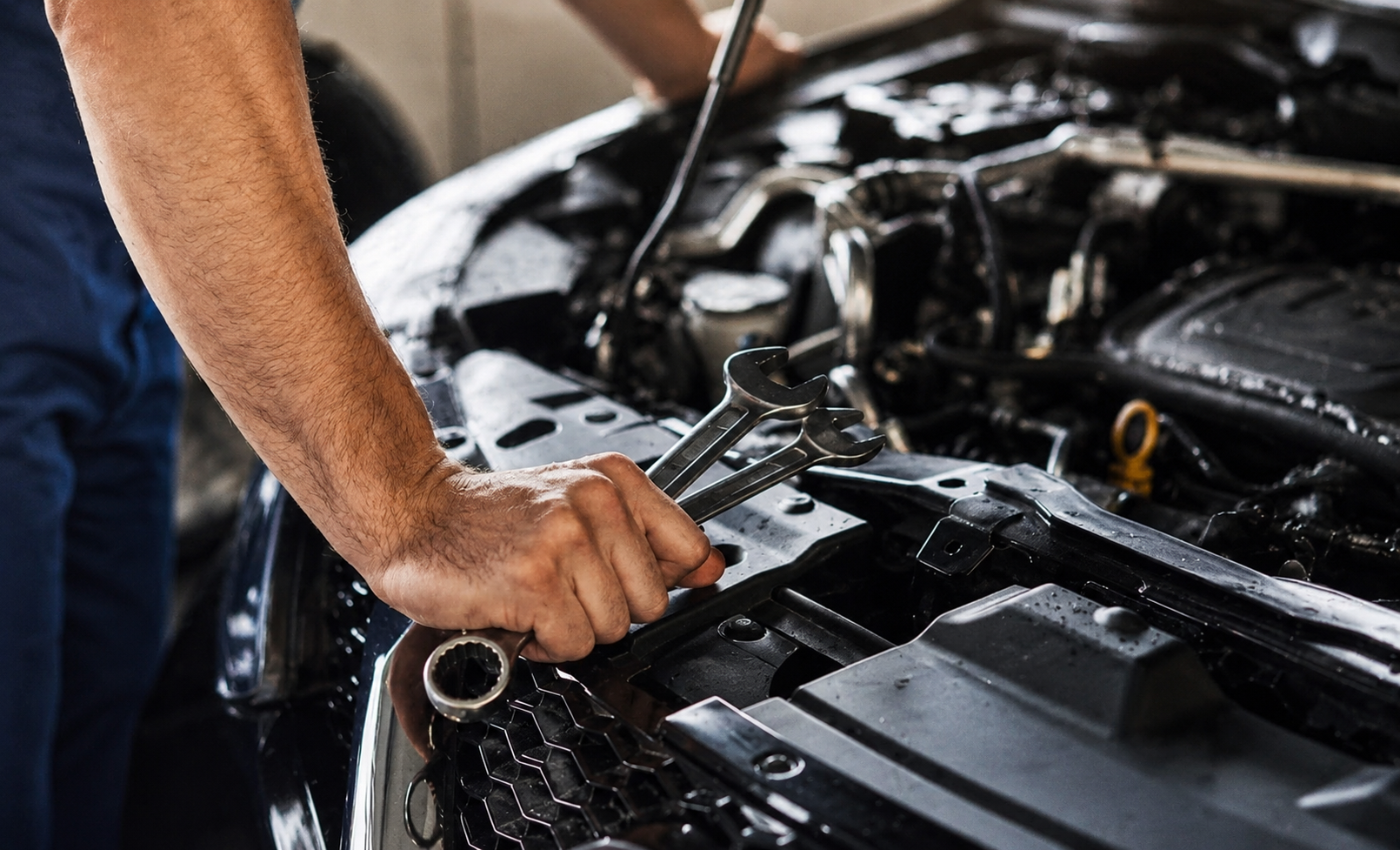
Technician holding wrenches while inspecting vehicle engine

Your Chevrolet deals with icy roads one season and blistering Oklahoma heat the next. A seasonal maintenance checklist helps you get ahead of these swings instead of reacting once something's already broken down. Below, we break down what to check each season and why it matters, so you can keep your vehicle running the way GM engineered it to run. Sticking to a seasonal routine supports fuel efficiency and protects critical components, cutting down on surprise breakdowns along the way. For hands-on help, our service center is ready whenever you need it.

Spring Chevrolet Maintenance Checklist

Spring in Guthrie, Oklahoma often brings sudden storms and temperature swings, which makes this the right time to undo winter's wear and prep for summer heat.

Tires, Alignment, and Suspension After Winter

Cold weather and rough roads take a toll on tires and suspension components, so spring is the time for a closer look.

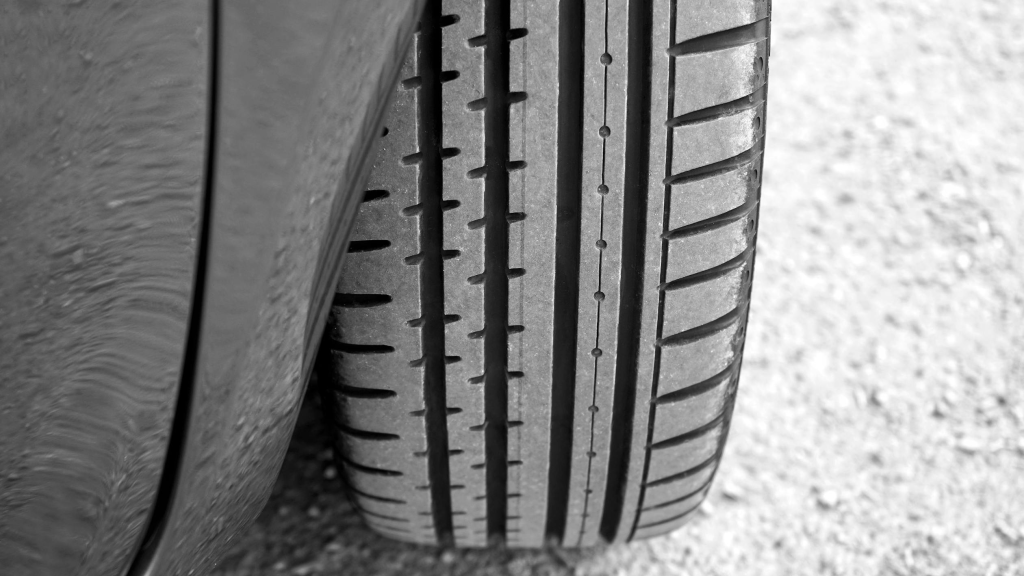
  • Check tread depth using the Tread Wear Indicators and confirm tire pressure matches the number on the driver's-door placard, not the tire sidewall.

  • Have your alignment inspected if you've noticed pulling to one side or uneven wear patterns.

  • Ask a technician to inspect suspension parts for damage from winter potholes or road salt.

Chevrolet recommends tire rotation roughly every 7,500 miles, though some owner's manuals list a 5,000 to 7,500-mile range depending on the model. Either way, rotating tires on schedule helps even out wear and extends tire life.

Wiper Blades, Washer Fluid, and Exterior Care

Spring showers make visibility a priority. Chevrolet recommends inspecting wiper blades seasonally and swapping them out once they start streaking or skipping, rather than waiting for a set mileage or date. Top off washer fluid before storm season ramps up, and consider a wash and wax to protect your paint from pollen, road salt residue, and UV exposure as the weather warms.

Summer Chevrolet Maintenance Checklist

Guthrie's hot summers put extra strain on cooling systems, batteries, and air conditioning units, so summer maintenance is largely about heat management.

Cooling System and Fluid Checks

Overheating is one of the most common summer breakdown causes, so these checks matter.

  • Inspect coolant levels in the reservoir and look for leaks, cracks, or soft spots in hoses.

  • Check oil, brake fluid, and transmission fluid levels, since low fluids strain the engine faster in high heat.

  • Watch for a rising temperature gauge or sweet smell, both signs of a cooling system issue.

Chevrolet's Engine Oil Life System (OLS) tracks your driving conditions and tells you when service is actually due, which has made the old fixed 3,000-mile rule outdated. Depending on your engine, Chevrolet recommends Dexos1 Full Synthetic for gasoline engines, dexos2 for light-duty diesels, and 15W40 CJ-4 for Duramax diesel engines.

Battery Performance and Air Conditioning Service

Summer heat speeds up battery fluid evaporation and corrosion, so a load test isn't a bad idea before a road trip. Air conditioning service matters just as much: a technician can check refrigerant levels and inspect components, catching small issues before they turn into a system failure on a 100-degree afternoon.

Fall Chevrolet Maintenance Checklist

Fall is transition season, and getting ahead of it means your Chevy is ready before the first cold front hits Guthrie.

Battery Testing and Heating System Check

Cold weather is hard on batteries, and testing now can save you a headache later. According to AAA, a battery loses about 60% of its strength at 0°F, and AAA separately reports batteries lose around 35% of their strength at 32°F. AAA also recommends testing any battery over three years old. While you're at it, have the heating system checked to confirm the blower, heater core, and defrost functions are all working properly before you need them.

Oil Changes and Fluid Top-Offs Before Winter

Fall is a smart time for an oil change guided by your OLS notification, along with topping off antifreeze and other fluids. Making sure everything is at the correct level before winter helps protect the engine from cold-weather strain and keeps freezing temperatures from causing bigger problems later.

You can schedule a service appointment with us before the weather turns, so these checks are handled while it's still convenient.

Winter Chevrolet Maintenance Checklist

A winter checklist comes down to keeping your tires gripping the road and your car starting reliably, no matter what the forecast throws at you.

Tire Traction and Cold-Start Reliability

Icy patches occasionally show up on Guthrie roads, so confirming adequate tread depth and considering winter tires if you drive frequently in snow or ice can make a real difference in grip and stability. Cold starts also put extra demand on the battery and starter, so pair your tire check with a battery test heading into the coldest months, especially if it's already three years old or showing signs of slow cranking.

Emergency Roadside Kit Essentials

Winter conditions increase the odds of getting stranded, so a stocked kit is worth the trunk space. Pack a first aid kit, flashlight, jumper cables, tire inflator, basic tools, water, and some non-perishable snacks. It's also worth keeping a charged phone pre-programmed with emergency contacts, so help is one call away if you need it.

Year-Round Chevrolet Maintenance Essentials

Beyond the seasonal specifics, a few habits apply no matter the time of year. Check tire pressure monthly when tires are cold, meaning the car hasn't been driven for at least three hours, since temperature swings alone can change pressure readings. Keep an eye on brakes, as pads and rotors wear differently depending on driving habits and terrain. Following your Chevrolet's recommended maintenance schedule, rather than guessing at intervals, is the most reliable way to catch small issues before they become expensive ones.


Season Key Checks Recommended Fluids/Parts Frequency Why It Matters
Spring Tires, alignment, wipers Washer fluid, wiper blades Seasonally Repairs winter wear
Summer Cooling system, A/C, battery Coolant, Dexos1/dexos2 oil Per OLS alert Prevents overheating
Fall Battery, heater, oil change Antifreeze, engine oil Per OLS alert Preps for cold
Winter Tire traction, cold-start Winter tires, battery As needed Ensures reliability

Schedule Your Chevrolet's Seasonal Service at Eskridge Chevrolet

Following a seasonal maintenance checklist for your Chevrolet is one of the most practical ways to keep it performing well and holding its value year-round. Our technicians use genuine GM and ACDelco parts and provide multi-point inspections with detailed reports, so you always know exactly what your vehicle needs. Our tire center also handles rotation, replacement, and wheel alignment services in one visit.

Get in Touch

If it's time for your next check, explore Eskridge Chevrolet's service offerings or give us a call at 405-293-0100. We're located at 5307 South Division, Guthrie, OK 73044. Our service department is open Monday through Friday from 7:30 a.m. to 6:00 p.m. and Saturday from 8:00 a.m. to 1:00 p.m. We're glad to help keep your Chevrolet ready for whatever the season brings.

Posted in:

Related Posts

Why Use Genuine GM Parts for Your Chevrolet Repairs

Why Use Genuine GM Parts for Your Chevrolet Repairs?

If you own a Chevrolet and need repairs or maintenance, choosing the correct parts is crucial. Should you buy genuine GM parts or save money by buying aftermarket alternatives? Unfortunately, cheaper components often cost more in the long run. Genuine GM parts may impact your wallet initially, but they're manufactured for your vehicle's make and model. They fit properly, last longer, and keep your Chevy performing at its best. Our experts at Eskridge Chevrolet in Guthrie, Oklahoma, explain why original equipment manufacturer (OEM) parts are the way to go. What Sets Genuine GM Parts Apart? The difference between GM parts and aftermarket parts is huge. We're talking about performance, how long they last, and whether your car malfunctions after the repair. Quality and Reliability You Can Count On GM parts undergo a series of rigorous quality-controlled tests to guarantee they meet the highest standards. They're manufactured using high-quality materials that meet or exceed original factory specifications, so you can trust they'll hold up to the challenges of everyday driving. Aftermarket parts might cost less upfront, but they often don't offer the same reliability or durability as genuine GM parts. That means you'll be replacing them more often, costing you more over time. Perfect Fit and Compatibility Guaranteed Nothing is more annoying than trying to fit a part that won't line up. Genuine GM OEM Chevrolet parts are the same as those fitted to vehicles in the factory. Aftermarket parts are manufactured to fit a number of different cars — they fit, but not perfectly, so they wear out faster and need replacing more often. Why risk it? Warranty Coverage When something goes wrong with your car, it's reassuring to know you're covered. Genuine GM components include warranty coverage, giving you peace of mind if the part itself fails. No Tech Headaches Modern Chevys are computers on wheels. From the engine and transmission to the electrical system and sensors, everything must work seamlessly for the best driving experience. That's why it's crucial to use genuine GM parts when repairing or maintaining your vehicle. Otherwise, you risk causing more damage. Our Parts Selection We stock genuine GM parts for almost everything on your Chevrolet, including the following maintenance and performance upgrades: Brake components: From pads to rotors, we've got everything needed to stop your car safely. Our brake parts meet safety standards. Engine parts: We've got you covered for pistons, filters, and gaskets specifically manufactured to fit your Chevy's engine. Electrical components: Alternators or sensors can be a pain to find if you're unsure of the fitting. Compatibility isn't an issue with the GM lineup — just plug them in and you're good to go. Suspension and steering: If you want your ride to handle like new, the right shocks, control arms, or steering parts will fix weird vibrations or poor ride quality. Performance upgrades: GM has you covered with approved upgrades for increased power, and they won't mess with your warranty. Interior components: Keep your car comfortable and functional with everything from replacement seats to upgraded sound systems and electronic accessories. Key Repairs: Where Genuine GM Parts Are Critical Some fixes call for genuine GM OEM components — your safety depends on it. Brakes Don't mess with your brakes. GM parts are strong enough to stop your Chevy consistently and just when you need them. Cheap brake parts might stop your car, but they won't feel right and may not be good enough when you're trying to avoid an accident. Engine Your engine has many moving parts with zero room for error. They endure extreme heat, intense pressure, and chemical exposure. Genuine GM engine parts are made from materials that can withstand these conditions, but we can't say the same for aftermarket parts. Electronics Your Chevrolet's computer controls engine timing, transmission shifts, safety features, and more. Genuine GM electronic parts are programmed specifically for your car's setup. Generic electronic parts might work initially, but they often cause strange problems later. For example, a single faulty sensor or switch can trigger warnings on multiple systems. Transmission There's significant wear and tear on transmission parts. If something fails, replacing it with a genuine GM part makes the rest of your transmission last longer. Get this wrong, and you're looking at a complete transmission rebuild. How To Get the Right Part for Your Chevy Finding the correct GM component consists of a few simple steps. Skip these, and you might end up with the wrong component. Here's how to nail it every time: Check your owner's manual: Your owner's manual has a list of essential maintenance items, complete with part numbers. This prevents ordering the wrong item. Find your vehicle identification number (VIN): That long string of numbers by your dashboard or door has all the info about your Chevy. With the VIN, you can easily match parts. Talk to our technicians: Our certified techs know Chevrolet systems inside and out. They'll steer you in the right direction if you're not sure, and they'll often spot related components that might need repair. Order Genuine GM Parts at Eskridge Chevrolet At Eskridge Chevrolet in Guthrie, we're here to help you keep your vehicle in great shape. Our team understands Chevrolets inside and out. Whether you're repairing something or customizing your daily ride, you'll get honest advice and genuine GM OEM auto parts that fit — no guesswork. If you want advice or need help with an installation, contact us online to chat or book a service appointment at our dealership.

How Often Should I Change My Brakes on a Chevy Truck

How Often Should I Change My Brakes on a Chevy Truck?

Taking care of the brakes is important for making sure any car is safe to drive. As brake issues aren't always immediately obvious, it's important to stay on top of your services. But how often should you change the brake pads on your truck? The answer is: it depends. The guidelines on when to change them depend on the model of Chevrolet you have, your driving habits, the type of environment you drive in, and the brake pad material itself. In this guide, our service team at Eskridge Chevrolet will explore what you need to know to keep your Chevy brakes running safely and reliably on the road. Understanding Brake Replacement Intervals for Your Chevy Truck Brake pads provide the friction that helps slow your truck down. Naturally, they wear down over time. Generally speaking, most Chevy trucks require a brake pad inspection every 10,000 to 20,000 miles. Some sources say you may be able to stretch this as far as 30,000 to 35,000 miles. Why is there such a big range in recommendations? The lifespan of your Chevy's brakes depends on different factors, such as: The way you drive: Braking sharply can wear your brakes out faster. They're more likely to last longer if you often drive on the highway, compared to stop-and-go traffic. Where you drive: Driving up and down hills in Oklahoma or on rough roads around Guthrie can speed up the wear and tear on your brake pads because they need to work harder than normal. Where you live: Guthrie has wet and rainy seasons, which can reduce braking efficiency. The moisture can also build up and cause rust and corrosion on brake rotors. The brakes themselves: Organic, semi-metallic, or ceramic brake pads may last longer than others. For example, ceramic brake pads usually last the longest, followed by semi-metallic and then organic. Chevy Recommendations by Model Year Most Chevy owners' manuals recommend inspecting and replacing your brake pads regularly. The exact guidelines depend on the model and its age. However, a good rule of thumb is to aim for a professional inspection every 12,000 miles or once a year. As some brake pads can last up to around 25,000 miles with gentle driving, checking them at roughly the halfway mark can help you catch any issues as soon as possible. Always check your specific Chevy owner's manual for advice based on your model and year. If you need advice, bring your Chevy to Eskridge Chevrolet for service. Mileage-Based Guidelines Here's what you can consider based on specific mileage intervals: Every 10,000 to 20,000 miles: Early signs may appear on your brake pads, depending on your usual driving habits. Around 25,000 to 30,000 miles: Brake pads are usually approaching the end of their useful life at this point. Up to 35,000 miles or more: With conservative driving, some brake pads can last well beyond the usual intervals, but regular checkups are recommended. 50,000 miles: It's likely time for a brake pad and rotor replacement, if they haven't been replaced already by this point. Keep in mind that the front brakes do most of the stopping work on your truck, so they tend to wear out faster than the rear brakes. Rear brakes may last 50% or more longer, but you should monitor both closely. Time-Based Considerations Even if you haven't hit a mileage milestone listed above, time still matters. Brake pads don't last forever. They can wear down naturally over the years due to exposure, corrosion, and general use. If you don't drive as often as the average person, you can probably get away with scheduling brake inspections once a year. Check them more often if you live in areas with bad weather or demanding driving conditions (e.g., driving through mountains, on rough roads, or towing trailers). You should also check your brake fluid and other brake system components. Key Warning Signs Your Chevy Truck Brakes Need Replacement Listening and looking for signs can prevent the dangers of your brakes suddenly failing. Here are some common signs that it may be time to replace them: Squealing noises when braking Grinding sounds Longer stopping distances than normal Vibrations through the brake pedal or steering wheel Brake pad thickness is wearing thin (less than a quarter-inch) Other Factors to Consider Your brake pads aren't the only components to check if you want to ensure your brake system is working properly. Check the brake fluids: As brake fluid is hygroscopic, it absorbs moisture over time. As Guthrie experiences a fair bit of rain, checking the fluids regularly keeps your braking system working properly. Maintain your brake rotors: Your brake pads and rotors work together. You should aim to replace your brake rotors every 50,000 to 70,000 miles. Learn about driving habits: It can be helpful to know how the way you drive can increase or reduce the wear and tear on your brakes. Drive the speed limit, keep a safe following distance, and avoid driving on dirt roads and salted roads where possible, as they can wear down your brake pads and rotors quicker than paved roads. So, How Often Should You Change Your Brakes on a Chevy Truck? There's no single answer. Most people start checking their brake pads every 10,000 miles, but it depends on their driving habits. Arranging regular inspections every 12,000 miles or once a year can help prevent unexpected issues. Always watch out for warning signs like noises, vibrations, and reduced responsiveness. Taking care of your brakes keeps everyone safer on the road. Visit Eskridge Chevrolet for a Brake Service It's best to visit your Chevy dealer or a certified technician for a checkup if you have any questions about your brakes. Our team at Eskridge Chevrolet can provide a professional inspection and guide you on when to replace your brake pads for peace of mind. Give us a call to schedule service today.

How Often Should I Rotate My Tires

How Often Should I Rotate My Tires?

Rotating your car's tires is a basic part of your overall car maintenance. Your tires work as the foundation of your car, serving as the only point of contact between your car and the road. Maintaining the proper functioning of your tires ensures that you'll have a safe and smooth ride whenever you sit behind the wheel. Not only will regular tire rotations preserve the integrity of your tires, but they'll also extend your tires’ life span, saving you time and money in the long run. To maintain peak performance, be sure to schedule your tire rotations regularly. Benefits of Tire Rotations The importance of properly maintaining your car tires cannot be overstated. The safety, efficiency, and overall quality of your drive all rest upon your tires. Neglecting to take care of basic tire maintenance could negatively impact your day-to-day excursions, as well as your car's performance in the long run. Regularly rotating your tires has many benefits that make it a worthwhile task to schedule. Improved Traction and Safety Because your tires are the only part of your car that makes contact with the pavement, the overall quality of their condition is the only thing preventing your car from slipping and sliding when you need to stay stable. On most cars, the tread of your front tires will wear down more quickly than the rear tires. This means that when you need to navigate tight turns, your front tires are more at risk of losing traction more quickly, consequently affecting the safety of your drive. Along the same lines, your car's braking performance can be negatively affected by uneven tread wear. When you rotate your tires, you help to improve the handling of your car and maintain safe driving conditions. Longer Life of Your Tires With any luck, the life of your car will be far longer than the life of your tires. With time and routine driving, the tread on your tires will wear down. Eventually, the tread will wear down to a level that makes them unsafe for driving. When this happens, it's time to have them replaced, which unfortunately is not a cheap activity. By rotating your tires regularly, you'll help to distribute the tread wear on your tires more evenly over time, thus extending the number of miles you can drive before having them replaced. Smoother Ride If the tread on your tires wears unevenly, you'll soon start to feel the effects of this unevenness in the quality of your ride. Specifically, uneven tread wear will lead to a bumpy car ride, even when you're cruising over smooth surfaces. Similarly, the unevenness of tread wear can lead to unwanted vibrations while you're driving, which creates a noisy and unpleasant driving experience. Rotating your tires regularly will help to keep your drive smooth and peaceful. Better Fuel Efficiency While we already determined that rotating your tires can save you money by not having to replace your tires as often, you may not realize that tire rotations can also save you money at the gas pump. In addition to improving the handling of your car, tire rotations will also improve your car's fuel efficiency. Paying to have your tires rotated on a regular basis can save you money in the long run when it comes to your gas mileage. Tire Rotation Frequency How often you should get your car tires rotated largely depends on the drivetrain of your vehicle. Specifically, do you have front-wheel drive, rear-wheel drive, or all-wheel drive? The differences in functionality of these drivetrains result in different wear patterns on your tires and slightly different needs when it comes to tire rotation frequency. Keep in mind, however, that all tires need to maintain a tread depth of at least 2/32 of an inch. If you have a front-wheel-drive or rear-wheel-drive vehicle, you'll want to bring your car in to have your tires rotated every 5,000 to 7,500 miles. With front-wheel-drive vehicles, your front tires are responsible for both steering your car and delivering the power to the pavement, which results in increased wear on the front tires compared to the back tires. With rear-wheel-drive vehicles, the tasks of steering and delivering power are divided between the front and the back, which might lead you to believe they'd wear down more evenly. While the rate of wear might be similar in these vehicles, the tread wear pattern will vary greatly due to the different roles the front and rear tires play. If you have an all-wheel-drive or four-wheel-drive vehicle, you'll want to bring your car in to have the tires rotated more frequently. Specifically, these cars should be brought in every 3,000 to 5,000 miles. Uneven tread wear in these vehicles can actually lead to a strain on the drivetrain, potentially leading to larger issues down the road. While most of us here in the South Central part of the country have all-weather tires, it's important to note that regular tire rotations are critical for cars with summer or winter tires as well. Rotating your seasonal tires at the start of each designated season will ensure that your car will provide peak performance in rainy, snowy, or icy conditions. What Happens If I Don't Rotate My Tires? To put it simply, failing to rotate your tires puts your car's safety and performance at risk. Neglecting this simple task could result in the following: Hydroplaning on wet roads. Loss of traction on icy roads. Higher risk of punctures and blowouts. If you're in the Guthrie, Oklahoma, area and think your tires are ready for a rotation, don't hesitate to reach out to our service technicians to schedule your service today. Ensuring your tires are rotated on a regular basis will not only help to improve the quality of your drive, but it'll also save you money in the long run by improving your fuel efficiency and prolonging the life of your tires. Our service team is ready and waiting to make sure your car hits the road in the best possible shape. Image by Mike B is licensed with Pexels License