

Blog / Chevrolet Electric Vehicles

Blog

All Chevrolet Electric Vehicles Local Chevrolet Model Features Service Chevrolet Silverado Restaurants Road Safety Vehicle Comparison Chevrolet SUVs Financing Used Cars 2022 Chevrolet Colorado Chevrolet Model Feature Chevrolet Trucks New Chevrolet 2022 Chevrolet Trax 2022 Chevy Equinox Chevrolet Bolt EUV Chevrolet Financing Chevrolet Suburban
Oklahoma EV Incentives, Tax Breaks, and More

Oklahoma EV Incentives, Tax Breaks, and More

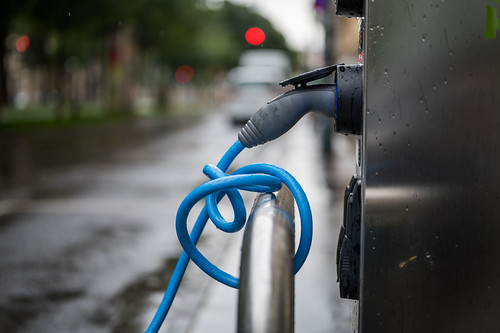
Buying a new vehicle can be costly, but you might feel better about making this financial decision if you knew that you could get some of your money back. In Oklahoma, car shoppers who buy electric vehicles can receive several incentives. This is meant to encourage consumers to participate in the use of clean energy. If you've been on the fence about buying an electric vehicle, or EV, these incentives can make your purchase more affordable. Alternative Fuel Vehicle Tax Credit Until the end of 2028, Oklahoma residents who purchase electric vehicles are eligible for a one-time tax credit of up to $50,000. This tax credit is meant to assist with buying a new vehicle or converting an existing vehicle to use alternative fuel, including natural gas, hydrogen, and propane. The conversion must use new equipment and be installed by a state-certified technician. Your tax credit eligibility is based on the gross vehicle weight rating of the car you buy. For example, a vehicle weighing less than 6,000 pounds will help you get a tax credit of up to $5,500. If your vehicle is less than 10,000 pounds, you'll receive a credit of up to $9,000. If you purchase a vehicle between 10,001 and 26,500 pounds, you can get up to $26,000. You'll also get an additional tax credit of 10% of the vehicle's total cost, with a cap of $1,500. This can offset the higher prices associated with eco-friendly vehicles. Oklahoma Electric Cooperative Electric Vehicle Rebate The Oklahoma Electric Cooperative (OEC) offers another incentive. If you are an OEC customer, you can get a rebate of up to $200. You qualify if you have a Level 2 charging station for your car and schedule your vehicle charging for off-peak hours. Generally, off-peak hours begin at 7:01 p.m. and end at 2:59 p.m. on weekdays. Saturday and Sunday are also considered off-peak hours. So, if you set your vehicle to charge overnight, you are in good shape to qualify for this rebate. Electric Vehicle Charging Station Rebate The Public Service Company of Oklahoma, also known as PSO, provides residential customers with a rebate of up to $250. You're eligible for this rebate if you install an ENERGY STAR-certified Level 2 EV charging station. The station must be brand new and purchased within the state of Oklahoma. You can apply for the rebate on the PSO's website. This rebate benefits those considering the cost of charging your vehicle at home. Although the power you need to charge your car costs less than fueling up a car with gas per mile, this rebate can help offset some of the charging costs. Other Benefits of Buying an Electric Vehicle An electric vehicle comes with many perks besides these tax incentives and rebates. Whether you purchase an EV in Oklahoma or another state, you can reap many benefits. These are just a few additional reasons why you should take a look at the electric cars available in your area: EVs Are Eco-Friendly If you are looking for a way to reduce your carbon footprint and the pollution you produce, this may be incentive enough to buy an EV. These cars have no tailpipe emissions, and the power used to charge your vehicle may also come from a plan with lower emissions. You can be part of the solution and help build a cleaner world with an eco-friendly car. EVs Offer Better Performance Electric motors have a lot to offer in the way of performance. In fact, many EVs drive smoothly and offer excellent acceleration. Plus, the ride is often quieter in newer EVs. Many drivers love the way driving an electric car feels. EVs Require Less Maintenance Gasoline-powered engines require more maintenance than electric cars. For instance, your new EV doesn't need a tuneup or an oil change. You don't need to change the fuel filter or get an annual emissions test to register your vehicle. Batteries are long-lasting and may require servicing every few years, depending on how often you drive and charge your vehicle. Additionally, electric vehicles are not as likely to break down. They do not have as many parts to maintain, which means you can save a lot of cash on repairs in the long run. EVs Offer a Long Driving Range Technology has improved significantly, and electric vehicles can now travel great distances without needing to charge. So whether you commute to work daily or are taking a long trip, you'll be able to get a lot of power out of your car before you need to charge it again. In fact, the ability to charge your car at home means you don't need to stop at a gas station on the way to work. That's pretty convenient. EVs Save Cash on Fuel When gas prices rise, you'll be able to feel better knowing that you don't need to spend money on gas. Instead, you can charge your car with your home charging station (and possibly get a rebate from your electric company) or plug in at a public charging station. More charging stations are opening up all over the country, which means your drive can go smoothly no matter where you are going. In addition, the cost of power to fuel your car is considerably less than the cost of gas. EVs May Get Insurance Discounts Finally, consider the potential insurance discounts you may qualify for. Many auto insurance companies offer discounts for hybrids, alternative fuel vehicles, and vehicles with low mileage. If you are looking for more financial incentives to purchase an EV, count this as a great one for monthly savings. Eskridge Chevrolet knows that you have many vehicles to choose from when you are looking for a new car you love, and an electric vehicle may be one of your top choices. Knowing there are incentives for buying one here in Oklahoma can help you make the right financial decisions for your family. Electric vehicle cable plugged into charger and wrapped around a rail by Ivan Radic is licensed with CC BY 2.0

Why Should I Care About Electric Vehicles

Top 10 Frequently Asked Questions About EVs

Electric vehicles (EVs) are becoming increasingly popular each year for several reasons, including that they're more convenient and can offer a better driving experience. They're convenient because you can skip the gas station line and charge your car at home with the charging station you purchased. These cars can also provide a better driving experience, as they can offer smoother acceleration and deceleration movements. With the demand increasing, there are often several questions consumers have about them, and we're here to answer the top 10 most frequently asked questions about EVs. How Does An Electric Vehicle's Engine Work? Electric vehicles can plug into a charging port and gain their energy from the local power grid. From there, it takes the energy into the rechargeable battery to power the electric engine to turn the car's wheels. These cars accelerate quicker than gas engines because they don't have a fuel engine, making the EV lighter to drive. Why Should I Care About Electric Vehicles? There are several reasons to care about EVs because they can help protect the environment and your wallet. An EV can help save money because electricity is cheaper than gasoline. You can also save money on vehicle maintenance because EVs don't require oil changes, spark plugs, or timing belts. As an EV saves you money, it can also reduce your carbon footprint more than a gas engine. By eliminating frequent trips to the gas station and replacing your car's oil, you preserve your money and the environment. Are Electric Vehicles Environmentally Friendly? Yes, electric vehicles are environmentally friendly compared to their counterpart, gas-engine vehicles. EVs release a lower amount of carbon emissions because there are no tailpipe emissions. However, the electricity used to charge the car can generate some carbon pollution. The percentage of pollution it emits depends on the local power sources, such as coal or natural gas. How Do I Prepare My Home For An Electric Vehicle? The first step in preparing your home for an EV is to determine your charging type or level, either level one or level two. Level one EVs may take several days to fully charge, while level two EVs may only take several hours to charge completely. On level two, you may travel about 60 to 200 miles with 20 to 30 minutes of charging. The next step is to clean and organize your garage, if you have one, to ensure the EV and charging station have enough room. Then, find your home's power panel and assess your consumption to ensure you aren't overloading it. You can also hire an electrician before purchasing your charging port to install a 240-volt plug. Finally, order the charging port and install it, making your home EV ready. What's The Battery Life Of An Electric Vehicle? An EV's battery life is measured in kilowatt-hours (kWh). The typical battery life for these vehicles is 40kWh, which allows you to travel about 150 miles before needing to charge it. If you have a larger battery, such as the 100kWh, you can go about 375 miles before the battery needs charging. What Do I Do If The Battery Runs Out While Driving? Unlike gas-engine vehicles, there aren't many options you can pursue if your EV battery runs out while driving. If this happens to you, it's likely the only option is to call a towing company to bring your car to the nearest charging station. This makes it necessary to monitor your battery life and check for local charging stations to help avoid this situation. How Does An Electric Vehicle's Safety Compare To A Gas Engine Vehicle? According to The Insurance Institute for Highway Safety (IIHS), EVs are becoming safer than gas-engine vehicles. They're safer because they lack gas in an internal combustion engine (ICE). Battery packs can combust but are less explosive than gas. EVs also have a lower center of gravity, making it less likely that the vehicles will roll over if you were in an accident. Where Can I Recharge My Vehicle When On The Road? When planning a road trip with your electric vehicle, it's vital to plan your breaks strategically to avoid running out of battery life. You may find it helpful to download an EV charger app, which can show you the nearest charging station in Guthrie, Oklahoma, when out and about on the road. Using the app before heading out can help you plan where you would like to stop based on how far your battery can get you. If stopping overnight, search for hotels with EV charging stations to charge your vehicle while you rest. How Long Does It Take To Charge The Vehicle Fully? There's no standard amount of time it takes every electric vehicle to charge fully, and it can vary by battery size, brand, and model. For example, some may take about 30 minutes to reach 80%, while others may require an entire day to achieve the maximum charge. Some other factors that can contribute to how long you may charge your car can include: The weather. A charging station's power. The maximum sharing rate of your vehicle. How Can I Recycle My Electric Vehicle's Battery? Before you think about recycling the vehicle's battery, you can reuse, refurbish, and re-purpose it. Electric vehicle batteries are recyclable and easy to handle. Battery Recyclers of America offer a simple solution to help you take care of your old batteries. You can go to their website and schedule a pickup date when they come and retrieve your batteries to recycle. Then, they take it back to their facility to weigh and administer your cash payout for recycling it. An easy way to help you make some money while protecting the environment. Here at Eskridge Chevrolet, we carry a wide range of newly built Chevrolets and pre-owned vehicles of various makes and models, including electric cars and hybrids. Contact us if you have questions about our assorted inventory. Our team will get back to you as soon as possible, or you can also reach a member of our team at 405-444-8379. Image by Jenny Ueberberg is licensed with Unsplash License

Where to Charge EV’s in Oklahoma City

Where to Charge EV's in Oklahoma City

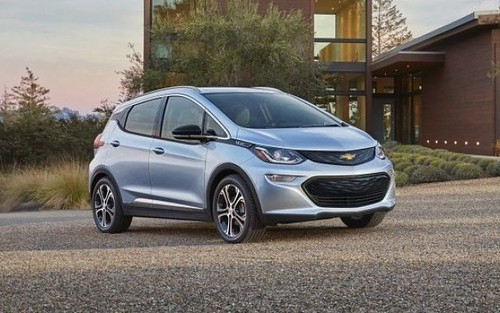
Fortunately, the growing popularity of electric cars (EVs) has made it easier than ever to find charging stations. It's much easier to fuel up than it used to be even if you don't have a traditional gas car. However, you might still want some guidance when determining the best way to keep your electric car moving. Eskridge Chevrolet is here to help electric-vehicle drivers like you have the most convenient experience possible. In this guide, we explain where you can charge an electric Chevy in Oklahoma City. Whether you're a brand new electric-vehicle driver or new to or just passing through the area, you should find this information helpful. Where To Charge Electric Cars in Oklahoma City According to PlugShare, Oklahoma City is home to 318 charging stations at establishments ranging from Walmart Supercenter to Whole Foods. Most of the stations are clustered in the center of the city, but you can also find quite a few in the outskirts. Twenty-four of these stations sprung up in the last 90 days as of August 2022, meaning the area is seeing a continual expansion of the charging station network. However, it's important to use online tools to determine if a charging station is compatible with your vehicle before driving it. If the connector isn't compatible, you won't be able to charge your vehicle and may even be stuck there without a way to get electricity. For instance, there are 101 stations with J-1772 plugs. These connectors are appropriate for all Chevy vehicles, as they are the standard for all-electric cars in the U.S. and Canada. If you want to accomplish Level 1 or Level 2 charging, a station with J-1772 compatibility should do the trick. If you have a Chevy and want to take advantage of Level 3 charging, you'll need a station with a Combined Charging System (CCS) connector. This type of plug is compatible with Chevys and supports the requirements of direct-current charging. PlugShare notes that Oklahoma City has 146 CCS plugs. You'll also notice stations with CHAdeMO and Supercharger plugs, but these won't charge your Chevy as they're only compatible with Japanese makes and Teslas. Additionally, it's worth mentioning that 31 of the charging stations are free, which can be a great option if you're looking to fuel up on a budget. Popular charging networks in Oklahoma City include ChargePoint, EV Connect, and Francis Energy. If you happen to leave the area, EV-friendly cities around Oklahoma City include Tulsa, McAlester, and Tahlequah. Different Connectors at Oklahoma City Charging Stations We've thrown around phrases like J-1772 and CCS, but you might not know what they mean if you're a new electric-vehicle driver. Both terms refer to types of connectors that electric Chevys use to charge. A J-1772 plug connects to at-home chargers and public Level 1 and Level 2 charging stations, as they all use alternating currents to deliver electricity. At-home and Level 1 chargers are the most affordable but take the longest to deliver a full charge. Level 2 is moderately priced with average charging times. Level 3, on the other hand, requires a CCS plug. This type of charging uses direct currents to deliver electricity and is the fastest and most expensive type. Level 3 charging is difficult to install in homes because of its high price tag, but some drivers invest in at-home Level 2 charging because of its convenience. It might even increase the resale value of your home. Average Cost of Charging an Electric Car in Oklahoma City One source says that the average cost to charge an electric car at a public station in Oklahoma City is anywhere from $0.11 to $0.15 per kilowatt-hour. If you charge the battery using an at-home charger, it's more affordable. The average rate lowers to around $0.09 per kilowatt-hour if you charge at home because of the fees that public charging stations impose. The initial cost of an at-home charging station will set you back, but the lower per kilowatt-hour rate can save you money in the long run. Regardless, public stations are still affordable and provide convenient on-the-go charging. Estimated Charging Ranges of Available Chevy Models The charging range of your Chevy depends on factors like its year, trim level, and condition. For instance, the Environmental Protection Agency (EPA) estimates that the Bolt EV and Bolt EUV get around 247 miles on a full charge. General Motors (GM) estimates that the Blazer EV can get up to 320 miles on a full charge, and the Silverado EV has an impressive 400-mile range on a full charge according to GM. With these numbers, you can drive comfortably knowing it will be a while before you have to stop and fuel up. Benefits of Electric Cars If you're unsure if an electric car is right for you, here are some compelling benefits: Warranty: Manufacturers like Chevy recognize the hesitancy to hop on the electric car trend, so they offer warranties to ease consumers' worries. Chevy electric cars come with a battery and electric component warranty that lasts for eight years or 100,000 miles, whichever comes first. Roadside assistance: New Chevy cars come with roadside assistance for five years or 60,000 miles, whichever comes first. This added security gives you the peace of mind you deserve. Fewer maintenance requirements: Unlike traditional gas cars, electric vehicles have fewer maintenance requirements due to less complex components. These drivers tend to save money and enjoy the convenience of having to take their cars to service centers less often. Improved performance: The improved performance of electric cars results in lower fuel costs, fewer carbon emissions, and smoother driving experiences. As electric vehicles become more popular, they also become more accessible. This observation rings true even in Oklahoma City, where a wide network of public charging stations is available. Ensure the charging station you pick is compatible with your Chevy vehicle before making the drive to it. If you have questions about charging in Oklahoma City or are ready to buy an electric car, contact Eskridge Chevrolet today. Chevy Bolt EV sulla rampa di lancio! by Automobile Italia is licensed with CC BY 2.0

Benefits of Electric Vehicles vs. Gas Engine Vehicles

Benefits of Electric Vehicles vs. Gas Engine Vehicles

Electric vehicles (EVs) and hybrids continue to gain market share. According to the International Energy Agency, an intergovernmental organization within the OECD, over 10 million electric vehicles are now on roads around the world. In the United States, first-quarter sales in 2022 are up more than 60% compared to the previous year. If you're considering joining the growing number of motorists who've made the switch to a greener mode of transportation, you may be wondering what you might gain from the transition. Read on to learn more about the benefits of EVs versus gas-engine vehicles. Sticker Price A vehicle's sticker price is the amount suggested by the manufacturer, plus any destination charges and other markups. Generally speaking, EVs have a higher sticker price than gas-engine vehicles. According to data from 2021, the average transaction price for a new EV was $51,532. In comparison, gas-powered compact cars averaged $22,798 and entry-level luxury vehicles averaged $47,627. However, these averages are based on widely varying sticker prices for individual models and don't factor in various tax incentives for going green. Consider, for example, the 2022 Chevrolet Bolt, which has an MSRP of $31,500. In Oklahoma, individuals who purchase a new OEM alternative-fuel vehicle receive a one-time tax credit based on the weight of the model. The Bolt, which has a curb weight of 3,589 pounds, would be eligible for a maximum tax credit of $5,500. Other EV makes are also eligible for a $7,500 federal tax credit. With that in mind, the effective price tag for a new EV in Oklahoma would, in a sense, be comparable to that of a gas-powered compact car. Also, consider that EVs are becoming more affordable with every year that passes. In 2022 alone, manufacturers such as Chevrolet reduced the prices of their entry-level EV models. As EVs become more prevalent, consumers may be able to expect much lower sticker prices on models across the board. Fuel EVs and gas-engine vehicles take different types of fuel, and one is well-known for being more costly than the other. Some numbers show that the average annual cost to charge an EV is $485. In contrast, the average annual cost to fuel a gas-engine vehicle is $1,117. That means that EV owners pay less than half as much to charge their vehicle as they would for gasoline. Also, consider that gasoline prices tend to fluctuate a great deal, depending on market conditions. The cost of electricity is more consistent. To top things off, EVs today tend to offer tremendous range—the distance they can cover before requiring a charge. The Office of Energy Efficiency and Renewable Energy reported that the median range for EVs in 2020 exceeded 250 miles, which placed them on par with many gas-powered cars. The maximum EV range, however, was greater than 400 miles, which is far greater than what a gas-engine vehicle can achieve. Keep in mind that individual fuel costs can vary widely depending on the make and model of your vehicle and whether it's powered by electricity or by gasoline. The 2022 Chevrolet Bolt is among the leaders, getting 29 kWh per 100 miles, but other EVs may not be as efficient and thus cost a little more to keep charged. Maintenance An often-overlooked advantage of EV ownership is the reduced cost of maintenance. Data provided by Consumer Reports shows that maintenance costs for an EV are about half as much as they are for a gas-engine vehicle. There are several reasons for such cost savings. One is that EVs have fewer moving components than their gas-engine counterparts. That leaves less opportunity for operational malfunction and upkeep. There's no need to change the oil, and there's nothing under the hood to tune up. Performance Another overlooked advantage is the high-end performance of most EVs currently on the market. Because of the operational nature of an electric drivetrain, EVs offer instant torque delivery. That means there's no lag in acceleration. As soon as you step on the pedal, you're zooming off. Owing to this characteristic, EVs are typically quick, and many owners find them exhilarating to drive. Not only that, but the performance is quiet. The main noises you'll encounter while driving an EV are the sounds of the tires on the road and the wind against the body. The quieter ride, in turn, means more pleasurable conversations with passengers and clearer audio entertainment. Environmental Impact If you're concerned about your carbon footprint, transitioning to an EV can help you make a more positive impact on the environment. According to the Environmental Protection Agency, gas-engine passenger vehicles, on average, produce 4.6 metric tons of carbon dioxide every year. EVs, however, produce none. Therefore, it would follow that the more market share EVs take, the cleaner the air will be. Long-Term Ownership When you factor in the tax incentives, fuel savings, and reduced need for maintenance, long-term ownership of an EV is likely to be more cost-effective compared to a gas-engine vehicle. The above-mentioned Consumer Reports study compared popular EVs with similar gas-engine models and found that long-term ownership of the EVs amounted to savings of $6,000 to $10,000. That being so, you can conclude that it's cheaper to drive an EV than a gas-engine vehicle. At Eskridge Chevrolet, we carry a wide range of new Chevrolets and pre-owned vehicles of various makes and models, including electric vehicles such as the Chevy Bolt, and Bolt EUV. If you'd like to know more about our diverse inventory, get in touch with us through our contact page. Provide your name, contact details, and a message and we'll reach out to you as soon as possible. You can also call us at 405-266-4702 to speak directly with an associate. You're also welcome to swing by the dealership at your earliest convenience. Find us at 5307 S. Division St., Guthrie. We're open 8 a.m. to 7 p.m. Monday through Friday and 8:30 a.m. to 6 p.m. on Saturday. Whatever you're looking for in your next vehicle, let us have the privilege of helping you find it.

Contact Us

Fill out this form below and we'll contact you shortly
*Required Fields