

Blog / Financing

Blog

All Financing Local Chevrolet Model Features Service Chevrolet Electric Vehicles Chevrolet Silverado Restaurants Road Safety Vehicle Comparison Chevrolet SUVs Used Cars 2022 Chevrolet Colorado Chevrolet Model Feature Chevrolet Trucks New Chevrolet 2022 Chevrolet Trax 2022 Chevy Equinox Chevrolet Bolt EUV Chevrolet Financing Chevrolet Suburban
What's Involved With Leasing a Car?

Is it Better to Lease or to Finance a New Car?

Buying a car is an exciting time — the thrill of the hunt for the perfect car, the elation that comes when you find "the one," the happiness you feel when you take that first drive home from the dealership after closing the deal on your dream car. But wrapped up in all that excitement are some very big decisions that have consequences for many years down the road. One of the main factors you need to consider when buying a new car is how you plan on paying for it. When buying a car, you have three options: purchasing, leasing, or financing. Purchasing a car means paying cash for the full price of the car. The car is immediately yours, and you receive the title right then. Leasing the car involves paying for the use of the car for a predetermined period, usually three years. Financing a car involves taking out a loan to pay the price of the vehicle and then paying back that loan over a set amount of time. But which option is the best for you? Learn more about your options below. What's Involved With Leasing a Car? When you lease a car, you're essentially paying for the opportunity to use that car for a set period, usually three years. You are essentially paying the value of the depreciation of the vehicle over that period. Depreciation is the loss of value of a car, so if you lease a car for two years, you'll pay the amount of depreciation that the car is expected to experience over the two years. When you lease a car with a dealership, you're expected to pay some fees upfront before you take it home. These costs include the first month's payment, a refundable security deposit, acquisition fees, taxes, and registration fees, among others. Each month, you'll pay a monthly payment to cover the depreciation of your vehicle plus interest and taxes. Benefits of Leasing a Car The biggest benefit of leasing a car is a lower monthly payment. Since you're just paying for the depreciation of the car for a short period of time, you're paying for far less than the total amount of the vehicle. You can drive a brand-new vehicle that's equipped with the latest features and technology while the manufacturer's warranty still covers it. This means you're driving the car during its prime when things rarely go wrong. And if they do go wrong, the warranty should still cover any maintenance or repair costs. Since your monthly payment will be lower than if you financed a car, you're usually able to drive a more expensive vehicle by leasing it. Once the terms of the lease are up, you can return the car to the dealership and not worry about the hassle of selling it when you're ready to move on. Drawbacks of Leasing a Car Leasing a car is not without its disadvantages. The biggest drawback is that you'll never be the owner of the vehicle. You're not earning any equity in your vehicle when you make your monthly payments, and you'll never get to a point where you pay off the car. Additionally, you must make sure to keep the car in good shape when you're driving it. Once your lease is up, the dealership can charge you excess wear-and-tear fees if you have any scrapes, scratches, or tears. Leased vehicles also come with mileage restrictions, typically anywhere from 10,000 to 15,000 miles per year. If you go over this limit, you'll be charged extra at a per-mile rate, typically between 10 and 25 cents for each mile over the limit. Since you're not the owner of the vehicle, you're not allowed to make any changes or alterations to your car while it's in your possession. If you decide you don't like the car and want to get something else before your lease terms are up, you'll be subject to very costly early termination fees. What's Involved With Financing a Car? When you finance a car, you're taking out a loan for your vehicle, either directly from the dealership or through another financial institution. You'll need to pay a down payment, taxes, registration, and other fees before you can take the car home. Your monthly payment will be higher than it would be if you leased the car since you're paying for the total amount of the vehicle. Your monthly payment will also vary depending on how much money you have for the down payment. Benefits of Financing a Car When you finance a car, you acquire equity in the vehicle each month. If you decide to sell the car before the loan has been paid off, you can use the money from the sale to pay off the loan. Once the loan terms end, the car becomes yours, and you'll be able to go months or years without having to make a car payment. Since the vehicle is yours, you can make any modifications you want, and you don't have to worry about extra charges for excessive wear and tear. Unlike with leasing a vehicle, there are no mileage limitations involved with financing a car. Drawbacks of Financing a Car When you finance a vehicle, your monthly payment will be higher than if you lease it. This means that you're more limited in the types of cars you can afford. You're also going to be responsible for all maintenance and repairs once the manufacturer's warranty expires. Ultimately, the decision to lease or finance your vehicle depends on what's important to you as the driver. If you enjoy driving a brand-new car every couple of years or are working on a tight monthly budget, leasing a car might be your best option. If you care more about saving money in the long run by gaining equity in your vehicle, or if you drive often and take long road trips, financing a car is the way to go. At Eskridge Chevrolet in Guthrie, Oklahoma, we're here to help you make your decision. Contact us today if you have any questions about leasing or financing your car. Happy Customer and Agent Reading the Contract by Gustavo Fring is licensed with Pexels License

Leasing vs. Financing a Car

Leasing vs. Financing a Car

If you want to drive a new or pre-owned vehicle but don't want to pay for the entire car before you leave the lot, there are a few ways you can get behind the wheel. Two popular methods for drivers are leasing and financing. While both leasing and financing can allow you to drive off the lot in the car of your choice, they have unique benefits and might fit drivers with different needs. Here are some key benefits of leasing and financing, along with some tips to help you choose the option that's right for you. The Difference Between Leasing and Financing When a customer leases a car from a dealership, they pay to use the car for a lease period, like two or three years, and pay a monthly fee to the dealership or a third-party leasing company. Once the lease period is over, they can choose to renew the lease or return the car to the dealership. Customers who finance a car have an agreement where they pay the vehicle's cost, plus a finance charge, in monthly installments. When they pay off the entire amount, they own the car outright. Benefits of Leasing a Car Here are some reasons that many drivers choose to lease their cars from the dealership: Lower down payment: Since you're not buying the car, you can usually get a lease agreement with a low down payment, or no down payment at all. This lower amount might allow you to lease a newer or more expensive car than you'd otherwise be able to afford. Lower monthly payments: Usually, monthly lease payments for a certain car are lower than the driver would pay under a financing agreement since you're only paying to use the car. If you need a car for your commute or to run errands, then leasing can offer you a more affordable option for a new or almost-new vehicle. Flexibility to trade in: Lease agreements usually last between two and three years, and drivers can choose to renew them at the end of the term. This means that you can decide between staying in the same car and trying a different vehicle every two or three years. Benefits of Financing a Car Here are some benefits to financing a car purchase: Ownership: While financing a car usually involves a higher down payment and higher monthly charges than leasing, the money you pay the dealership goes towards purchasing the car, rather than just using it. Finance agreements usually have specific terms, like 72 or 84 months, in which you pay a standard amount each month, but you can pay more towards your car to own it sooner. No mileage limits: Car lease agreements usually have mileage limits, which impose a fine on drivers who put too many miles on the car. Because the goal of financing is for you to own the car, financing agreements don't include mileage limits, so can drive your car as much as you like during the financing period, even before you've finished paying for it. No damage charges: Along with mileage limits, car lease agreements often impose additional damage charges for drivers who get into accidents or who cause damage to the car in another way. When you finance a car, you're responsible for any damage you may cause to another vehicle, but you don't owe the dealership any additional money if the car experiences wear or damage. How To Choose Between Leasing and Financing Here are some steps you can take to choose between leasing and financing a car: Think about your average mileage: If you plan to use the car to drive long distances for a commute or other travel, then you might go over the mileage limits on a leased car. To avoid paying a fine, you might choose to finance your car purchase, so you can put as many miles on it as you want. Consider your needs: While leasing a car can be a good choice if you're using it to commute short distances, it might not be ideal for people who use their vehicles for off-roading or heavy work, since lease agreements often penalize wear and damage. If you need a new work truck or want an SUV for off-roading, financing might be a better option, since you won't have to pay additional fees for wear. Reflect on your future plans: Leasing a car can be a good plan if you're expecting to need a different car within a few years, while financing is an ideal option if you want to own the car for longer. For example, if you plan to start a family in a few years, you might choose to lease a sedan while you research the type of family car you want to own later. Use leasing to try different car types: Since leasing doesn't involve a long-term commitment, it can be a good choice for drivers who want to try a new type of car, like a sports car or a truck. Once you decide on the type of car that fits your lifestyle, you might choose to finance a purchase. Decide who will be driving the car: Leasing agreements often only allow the owner of the car to drive it during the lease period, unless the owner requests permission from the leasing company. If you plan to have multiple people drive your car, it might be better to purchase it through financing, so you'll have more control over who can drive it. Whether you're planning to lease or finance your next vehicle, the team at Eskridge Chevrolet is here to help. If you're looking for a short-term leasing opportunity, we offer a variety of lease deals for Chevrolet cars, trucks, and SUVs. For financing, our Finance Center is staffed with experts who can help you get the best deal possible to pay off your vehicle. Stop by our Guthrie location or contact us today. CHEVROLET sign by Mike Mozart is licensed with CC BY 2.0

How to Get the Most From Your Trade-In

How to Get the Most From Your Trade-In

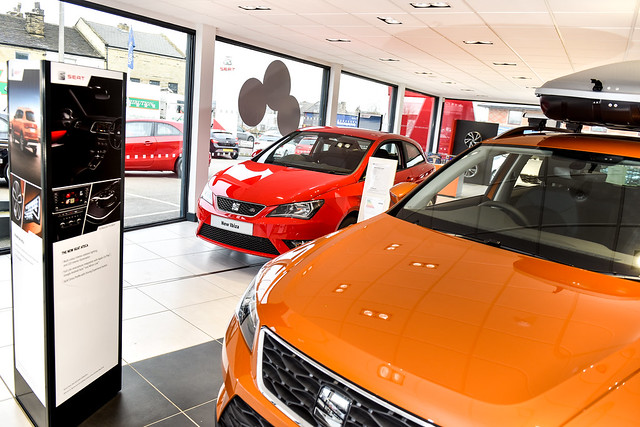
You may think it’s a losing proposition to trade in your old car, as selling it directly to a private buyer often can net more cash. However, the convenience of visiting a dealership with your old vehicle and departing with a new replacement is undeniable. Here are some tips to help you increase the value of your used vehicle should you decide to trade it in at our dealership right in Guthrie, Oklahoma. Tips for Maximizing the Value of Your Trade-In Consider these eight tips before negotiating the trade-in valuation of your car: Assess Your Vehicle's Worth Evaluate trade-in rates before visiting your local dealership, so you can start negotiations with some knowledge of how much your vehicle is worth. Several websites can guide you. However, Kelley Blue Book and Edmunds are the most credible and popular. They offer two straightforward tools: one calculates the worth of your trade-in, while the other displays instant cash offerings by nearby dealerships specific to your model. You're in a better position to determine your trade-in amount after knowing the car's value. Starting high and working your way down is simpler than starting low and trying to drive the price up. Acknowledge the Dealer's Perspective in the Negotiations Nowadays, dealers experience profit margins on new-car sales slipping more frequently than they used to. Therefore, they’re constantly searching for additional revenue streams, and trade-ins continue to be profitable. When you reach out to a few dealers before making a purchase, ask them whether they can collaborate with you regarding your trade-in valuation. A dealership may market itself as a "no-haggle" establishment, but that doesn’t imply they won't bargain over the price of your old car. Consider your trade-in as an element of the buyer's journey. When you shop, you may evaluate trade appraisals, which are unattainable if you don't have any plans to buy a new car. Get Your Vehicle in Prime Condition Even if your car is mechanically perfect, dealerships know that scratches, dings, and rust holes repel buyers. They may offer you a lower price than it's worth because the car will need some repairs. You may have the maximum trade-in valuation when your car, truck, or SUV is in top condition. Clean and detail it before trying to sell it. Ensure your car has proper maintenance and appears well taken care of. By taking care of minor problems and appearance damages, your dealership's evaluation may be hundreds of dollars more. Better yet, go to a dealership that sells the same brand. For instance, get quotes from a Chevrolet dealer for your Chevrolet. They can take care of all those bothersome faults before they send the car to the front lines. Get Several Quotes Before Settling Prepare to request quotations from many dealers, as this gives you leverage in the negotiations. Assemble your car title, loan repayment paperwork, license, registration information, and all duplicate car keys before the negotiations. Each of these is necessary for the final trade-in. Contact the online teams of dealerships to request estimates. Keep in mind that these projections can change until the dealer examines your vehicle in person. Schedule meetings with several dealerships to collect used-car valuations. Provide Maintenance and Repair Documents The pricing might vary significantly depending on how the vehicle was operated and maintained, so the more information a dealership has, the better. It's more difficult for them to determine the actual state of your car when you can't offer proper paperwork for services, repairs, and maintenance. Establishing recent maintenance done to the car through paperwork and invoices is crucial. Car dealers value recent major repairs. This can be installing newer batteries for a hybrid or a timing belt. These boost the value while eliminating the need for additional work to make the vehicle more appealing. With proof, you may recover a portion of the investment as a higher trade-in price. Conduct Separate Negotiations This applies if you combine your new car's procurement and your older car's trade-in into a single transaction. A car dealership can strive to raise the price of your new vehicle to compensate for a higher trade-in valuation. Alternatively, the dealer can overcharge you for the new car while undervaluing your trade-in. Negotiate each of them independently to ensure you receive the best deal on your new car and the highest trade-in return, if not the determined amount. Be Strategic With Your Timing The season of the year may have a substantial effect on the trade-in value. Different seasons have a larger market for certain car models, which makes them highly valued. For instance, convertibles may sell at higher prices during the summer. Conversely, SUVs usually have higher asking prices throughout the winter. Also, pay attention to current fuel costs. For instance, when the gas prices are high, dealers will have a much easier time selling a fuel economy trade-in. Consider Taxes Ensure you understand the local tax implications for trade-ins because state tax rules vary. Some states exempt new vehicle acquisition from taxes or tax the difference between the vehicle purchased and your trade-in price. Such payments can be significant when trading in a more recent vehicle. Although Oklahoma requires a sales tax on all automobile transactions, this doesn't apply to trade-ins. Rather, the trade-in credit is subtracted from the car's taxable amount. States such as Illinois, however, have legislation explicitly taxing trade-ins. Trade In Your Vehicle at Eskridge ChevroletToday Aim to get the highest trade-in valuation to buy your desired new or used car at a lower price and monthly payment. Following the above tips will help you achieve that. At Eskridge Chevrolet in Guthrie, Oklahoma, You'll find the car you want at a suitable price. We welcome you to trade in your old vehicle for a new Chevrolet car, SUV, or truck. Or you can benefit from a great bargain on a dependable pre-owned model. Visit our dealership, or get in touch with our team today if you have any questions. Orange and RedSEAT cars by JCT 600 is licensed with CC BY 2.0

Contact Us

Fill out this form below and we'll contact you shortly
*Required Fields